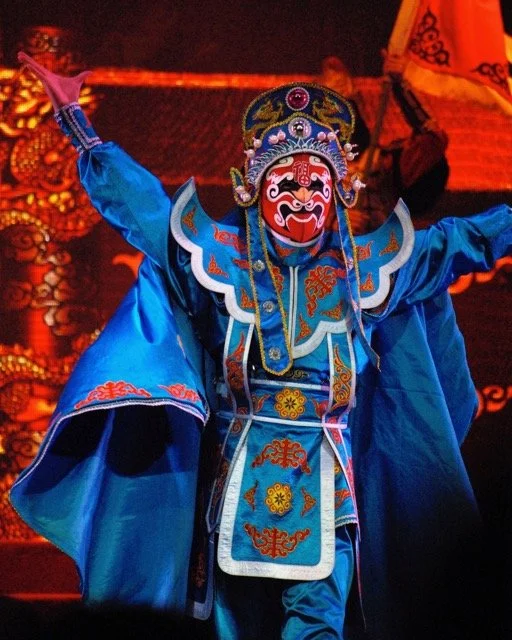
China
China presents a spectacular array of historic traditions, stunning landscapes, and magnificent architecture including its vast and iconic Great Wall. Cultural opportunities are endless with the chance to meditate in a Tibetan monastery, converse with Buddhist monks, or practice the Chinese art of Tai Chi at sunrise while overlooking the bustling city of Shanghai.


Food
The traditional food of China is Chinese cuisine. A typical meal consists of rice or noodles served with a variety of dishes featuring vegetables, meat, seafood, tofu, and flavorful sauces. Fresh ingredients, regional specialties, and balanced flavors are central to Chinese cooking, with staples varying across different parts of the country.
Chinese food traditions and culture are among the world's oldest and most diverse culinary systems. Food in China is far more than sustenance—it is deeply tied to social harmony, traditional medicine, philosophy, and regional identity.

Tourism
Tourism in China is a major contributor to the country's economy, attracting hundreds of millions of domestic travelers and over 60 million international visitors annually in recent years. Visitors come from countries around the world, with many arriving from South Korea, Japan, the United States, Russia, and Southeast Asia. As one of the world's largest and most geographically diverse countries, China offers a wide range of attractions, from the historic Great Wall and the Forbidden City in Beijing to the modern skyline of Shanghai, the karst mountains of Guilin, the Terracotta Army in Xi'an, and the scenic landscapes of Zhangjiajie and Jiuzhaigou National Park.

Social Entrepreneurship
Through social entrepreneurship, organizations seize opportunities to improve systems, invent new approaches, and create new solutions to change society for the better.
Social entrepreneurship in China operates within a unique socio-economic landscape, bridging market dynamics, government policy priorities (like "Common Prosperity" and rural revitalization), and grassroots social needs. Because China lacks a single legal designation for a "social enterprise," these organizations operate through hybrid structures—ranging from certified B Corporations to non-profit incubators and agricultural cooperatives.