
Ghana
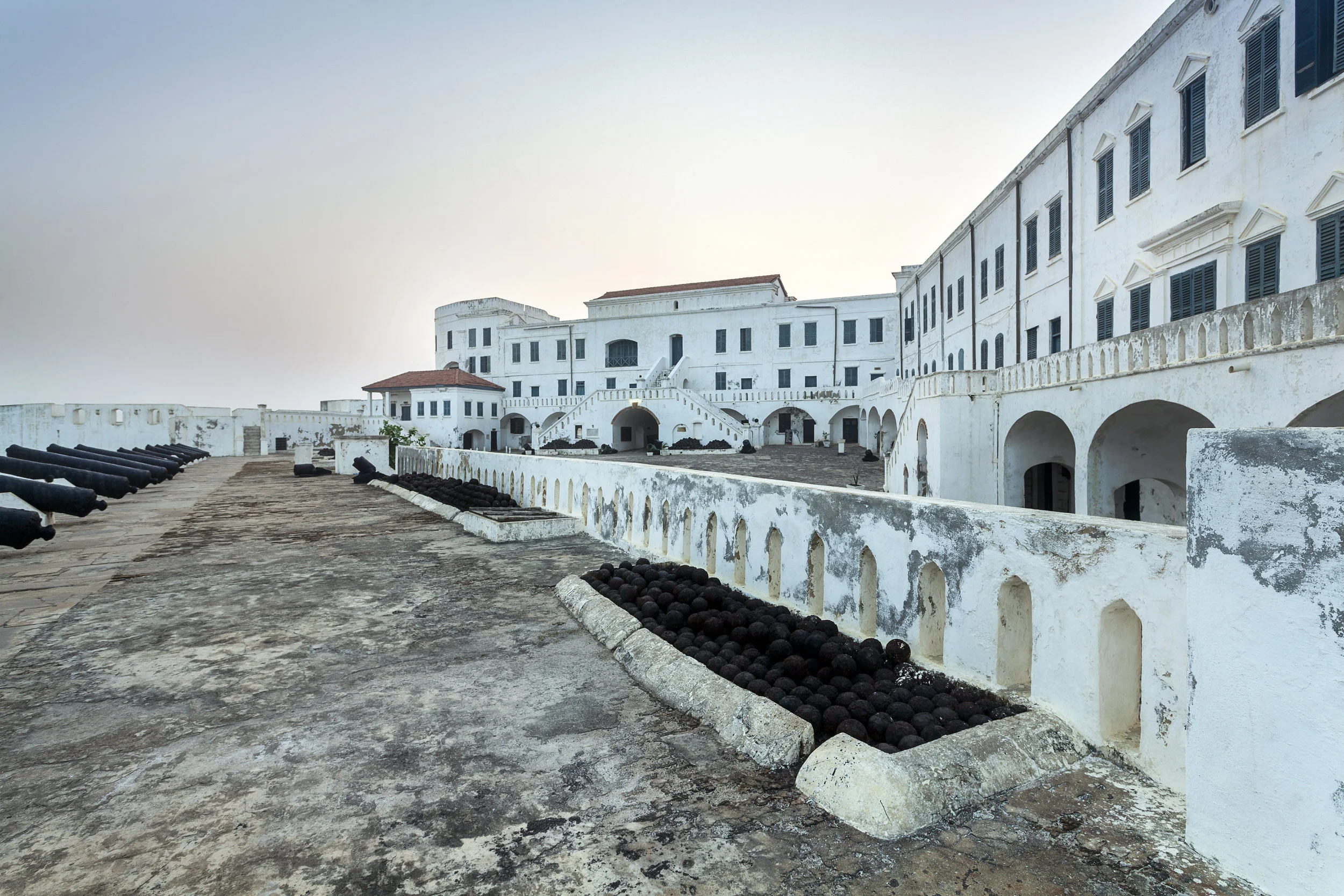
Located in West Africa, the nation of Ghana is of rugged, sub-saharan beauty bursting with a unique and thriving culture. Outdoor enthusiasts will enjoy treks through the Accra plains and neighboring reserves, while those seeking an authentic village immersion experience can make homestay arrangements through SAS field programs. Tour the infamous Cape Coast Castle and Slave Dungeons for a historical African perspective on the 17th century slave trade.
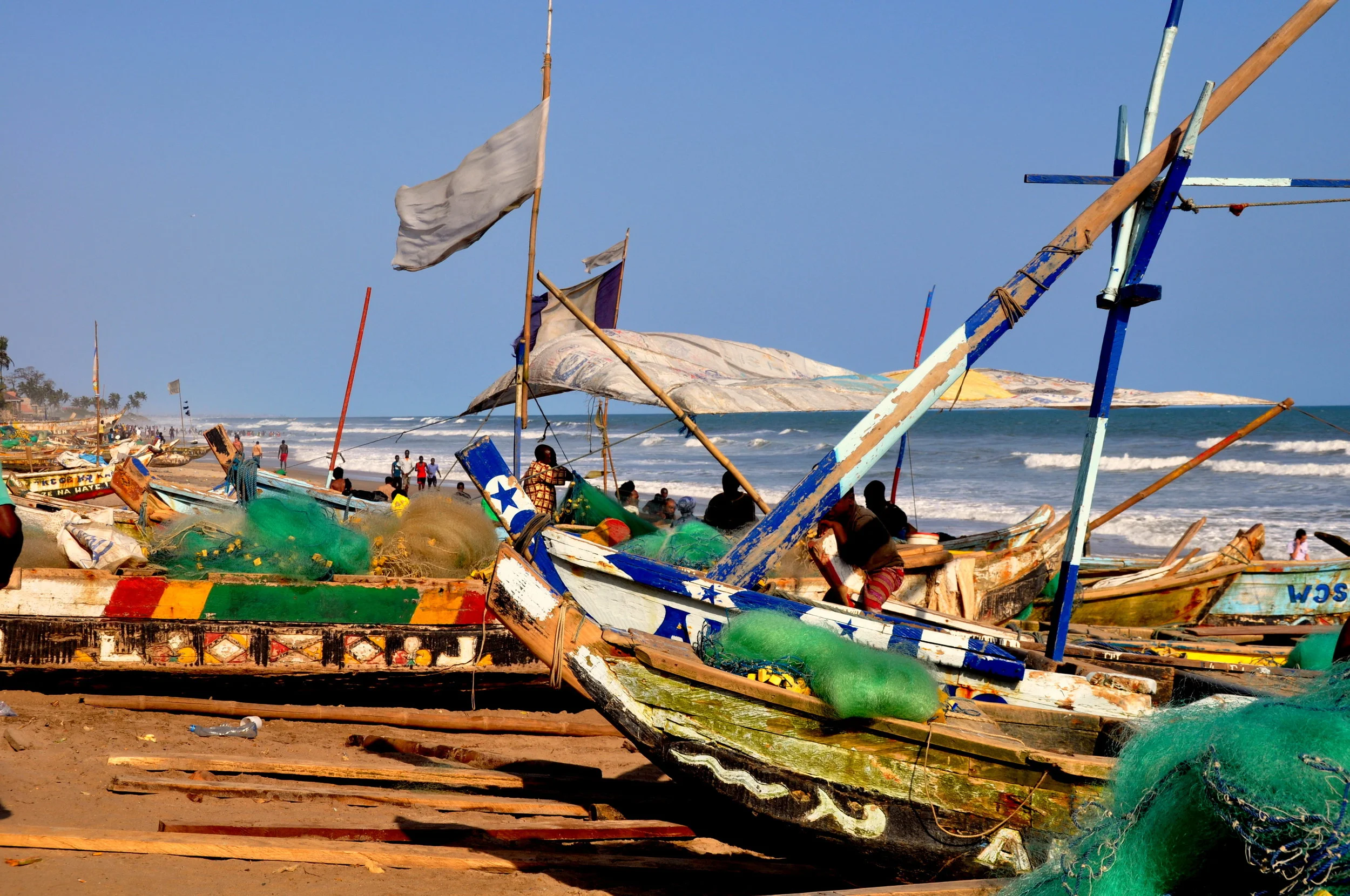

Food
In Ghana we will focus on the history, development and foreign influences on their food and culture. We will learn about the agriculture, traditions, and culture. Our goal will be to discover the unexpected from the local people and culinary communities.
Ghana’s food culture is rich, diverse, and deeply connected to family, community, agriculture, and regional identity. Meals are often communal occasions, and hospitality is highly valued; offering food to guests is an important expression of welcome and generosity.
Staple foods vary across the country but commonly include cassava, yams, plantains, maize, rice, beans, and cocoyams. These are frequently accompanied by flavorful soups, stews, and sauces made with tomatoes, onions, peppers, groundnuts, palm oil, vegetables, fish, or meat. One of Ghana’s best-known dishes is jollof rice, a tomato-based rice dish that is the subject of a famous friendly rivalry among West African countries. Other popular dishes include waakye, rice and beans served with various accompaniments; banku, fermented corn and cassava dough often eaten with grilled tilapia; and fufu, pounded cassava and plantain served with soup.

Tourism
Ghana is one of West Africa’s most accessible and culturally rich tourism destinations. Tourism is built around a combination of cultural heritage, history, nature, festivals, food, beaches, and connections to the African diaspora. The capital, Accra, serves as the primary gateway and offers museums, markets, restaurants, nightlife, arts, and contemporary Ghanaian culture.
One of Ghana’s strongest tourism attractions is its historical connection to the transatlantic slave trade. Cape Coast Castle and Elmina Castle are UNESCO-recognized heritage sites that attract international visitors, particularly members of the African diaspora seeking to understand their ancestral history.
We studied international issues in tourism in Ghana with an emphasis on the impacts, opportunities, and challenges for its growth or decline, and how that future tourism development can become more sustainable. We made a special effort to visit and assess UNESCO sites in each of the countries we visit.
Social Entrepreneurship
Ghana is an especially interesting setting for tourism social entrepreneurship because tourism can simultaneously generate income, preserve cultural and natural resources, and address community needs. Rather than maximizing profits alone, tourism social enterprises attempt to ensure that a significant portion of tourism's economic and social benefits reaches local residents, women, young people, artisans, and small businesses.
We are looked forward to meeting with social entrepreneurs in Ghana to learn about their initiatives for addressing social, cultural and environmental issues ranging from access to potable water, food, and education for example. Using the new Sustainable Development Goals 2015 as a framework for analysis of various initiatives, we saw first hand some of the creative ways entrepreneurs have used their business acumen to “do good”.