India
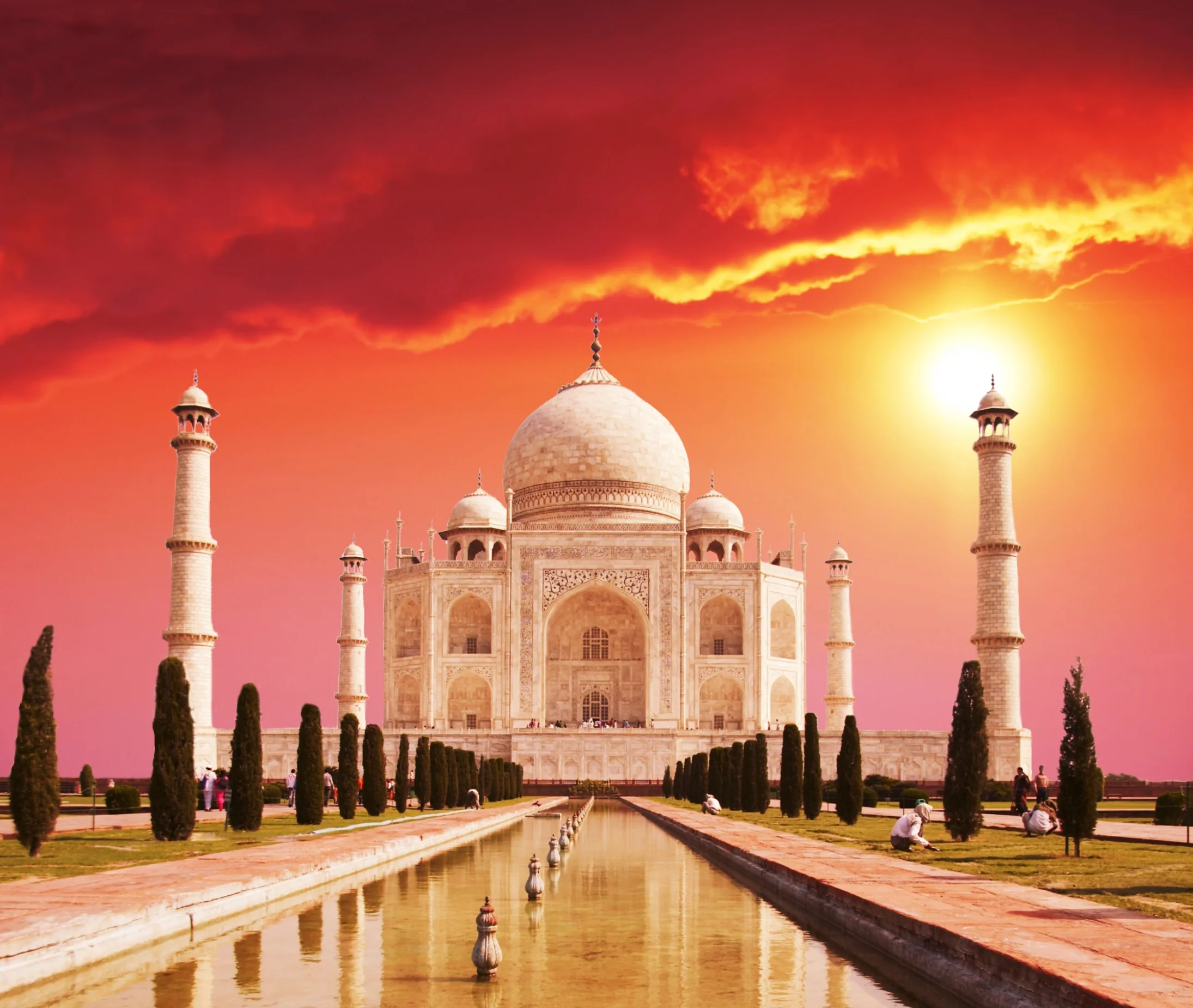
As one of the most populous nations in the world, India is bustling with a vibrant culture influenced by a variety of religions, including Hinduism, Jainism, Buddhism, and Sikhism. Explore the Taj Mahal, one of the world’s seven wonders, or travel to the holy city of Varanasi on the Ganges River. Get a taste of how 70% of Indians live by visiting the rural, traditional Chendamangalam village.
Food
Indian food is tied to religion, geography, family, social identity, agriculture, festivals, and hospitality. India also has one of the world's most diverse food cultures. There is really no single "Indian cuisine." Food varies dramatically among regions, religions, ethnic communities, climates, and social traditions. Northern Indian cooking commonly features wheat-based breads such as naan, roti, and paratha, along with lentils, vegetables, paneer, yogurt, and curries. Southern cuisines rely more heavily on rice, coconut, lentils, tamarind, and spices, producing foods such as dosa, idli, sambar, and numerous rice dishes. Coastal areas feature abundant seafood, while western and eastern regions have their own distinctive culinary traditions.

Tourism
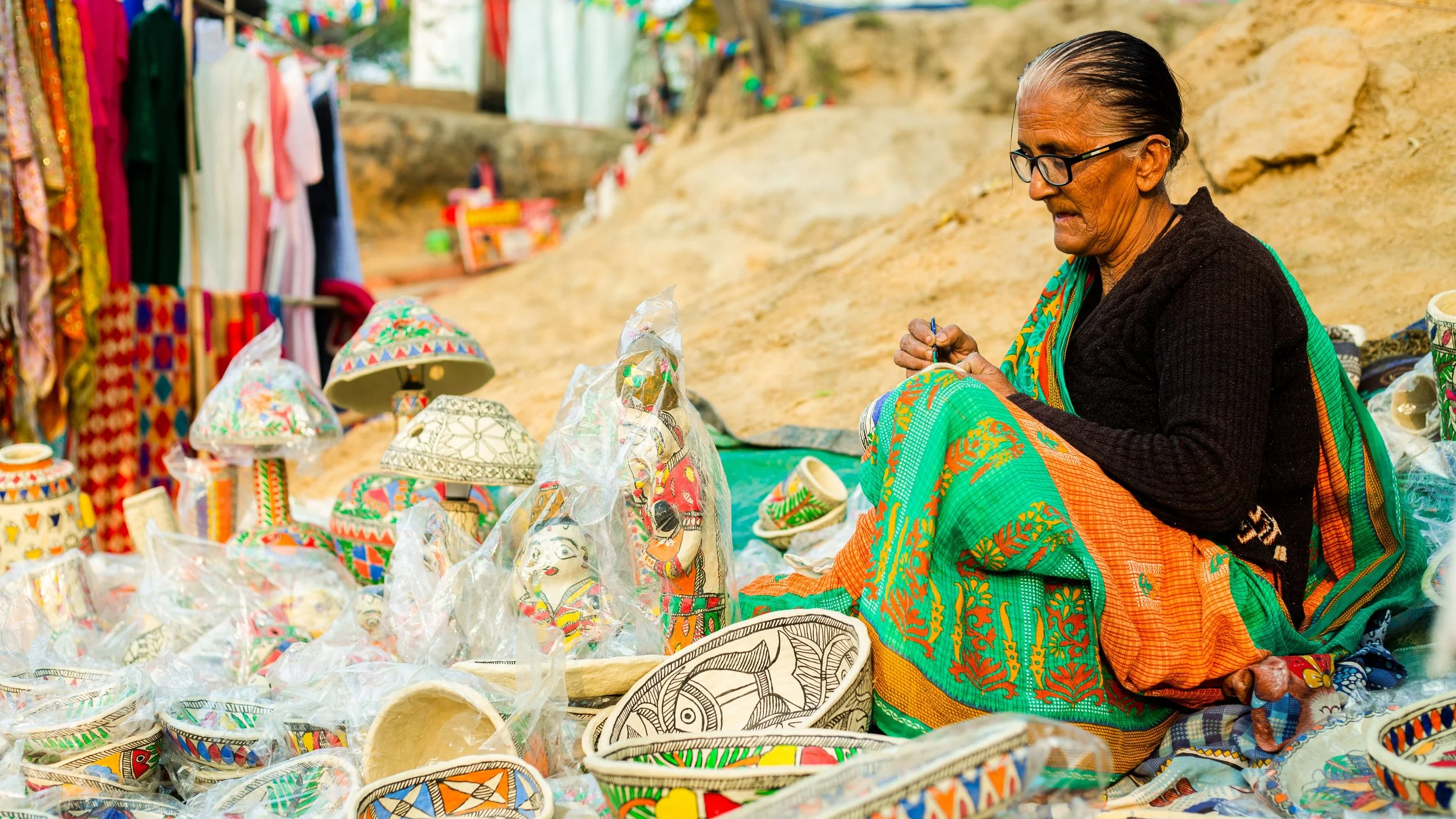
India is exceptionally strong in cultural and heritage tourism, religious tourism, food tourism, wellness tourism, medical tourism, wildlife/ecotourism, rural tourism and community-based tourism. Increasingly, tourism experiences also involve local guides, women's enterprises, craftspeople, farmers, homestays and community organizations.
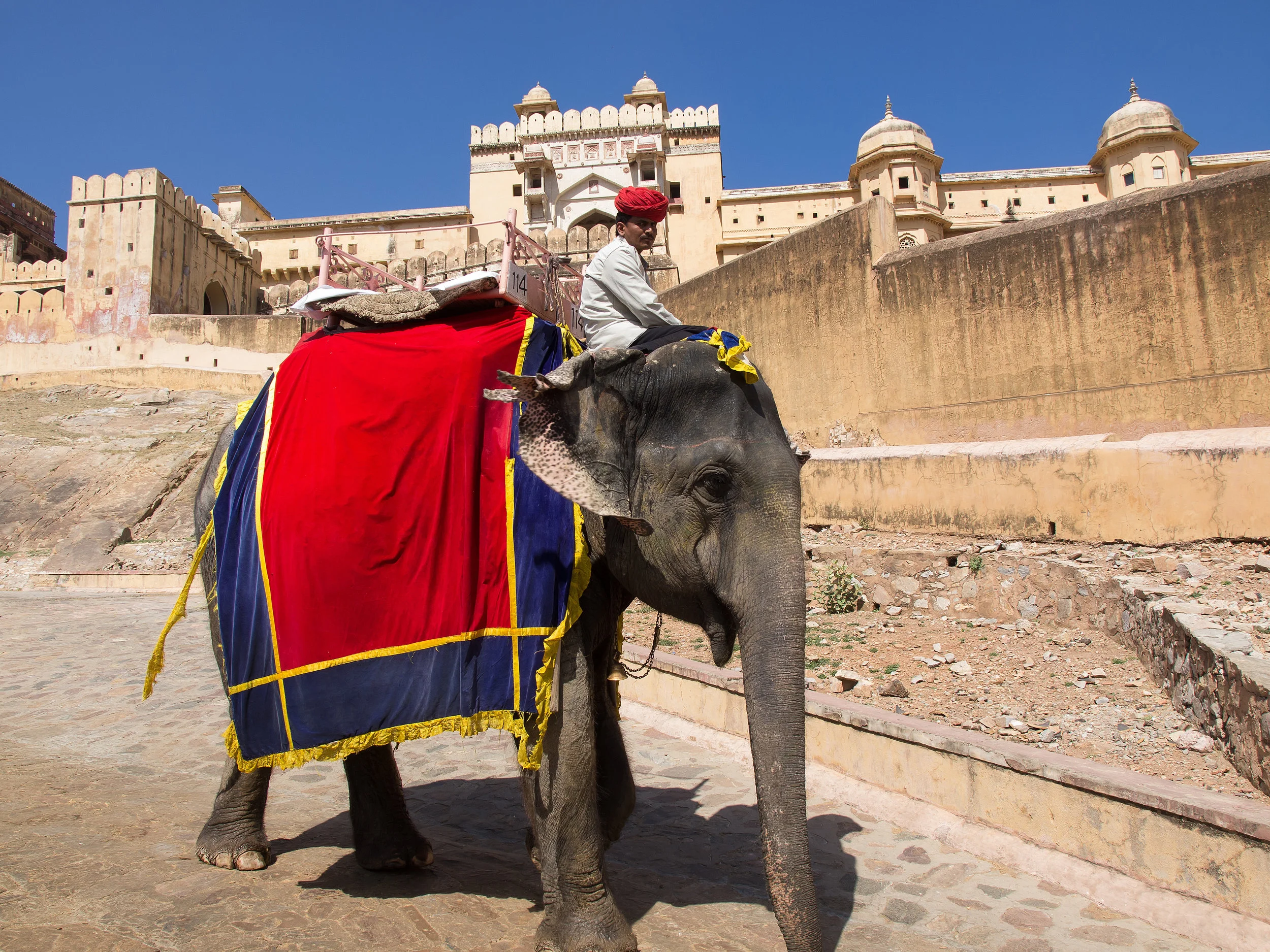
India is less a single destination than many destinations within one country. Its tourism appeal comes from an extraordinary combination of ancient history, religion and spirituality, architecture, food, wildlife, landscapes, festivals, crafts, and living cultural traditions. A visitor can experience Himalayan villages, Mughal monuments, tropical beaches, megacities, tiger reserves, tea plantations, deserts, and temple towns—all within India.
Social Entrepreneurship
India is an especially rich environment for social entrepreneurship in tourism because tourism intersects with rural development, poverty reduction, women's economic empowerment, traditional crafts, environmental conservation, and cultural preservation. Social tourism enterprises attempt to generate visitor revenue while deliberately creating benefits for communities that may receive relatively little from conventional tourism.
We met with social entrepreneurs in India to learn about their initiatives for addressing social, cultural and environmental issues ranging from access to potable water, food, and education for example. Using the Sustainable Development Goals 2015 as a framework for analysis of various initiatives, we saw first hand some of the creative ways entrepreneurs have used their business acumen to “do good”.