Japan
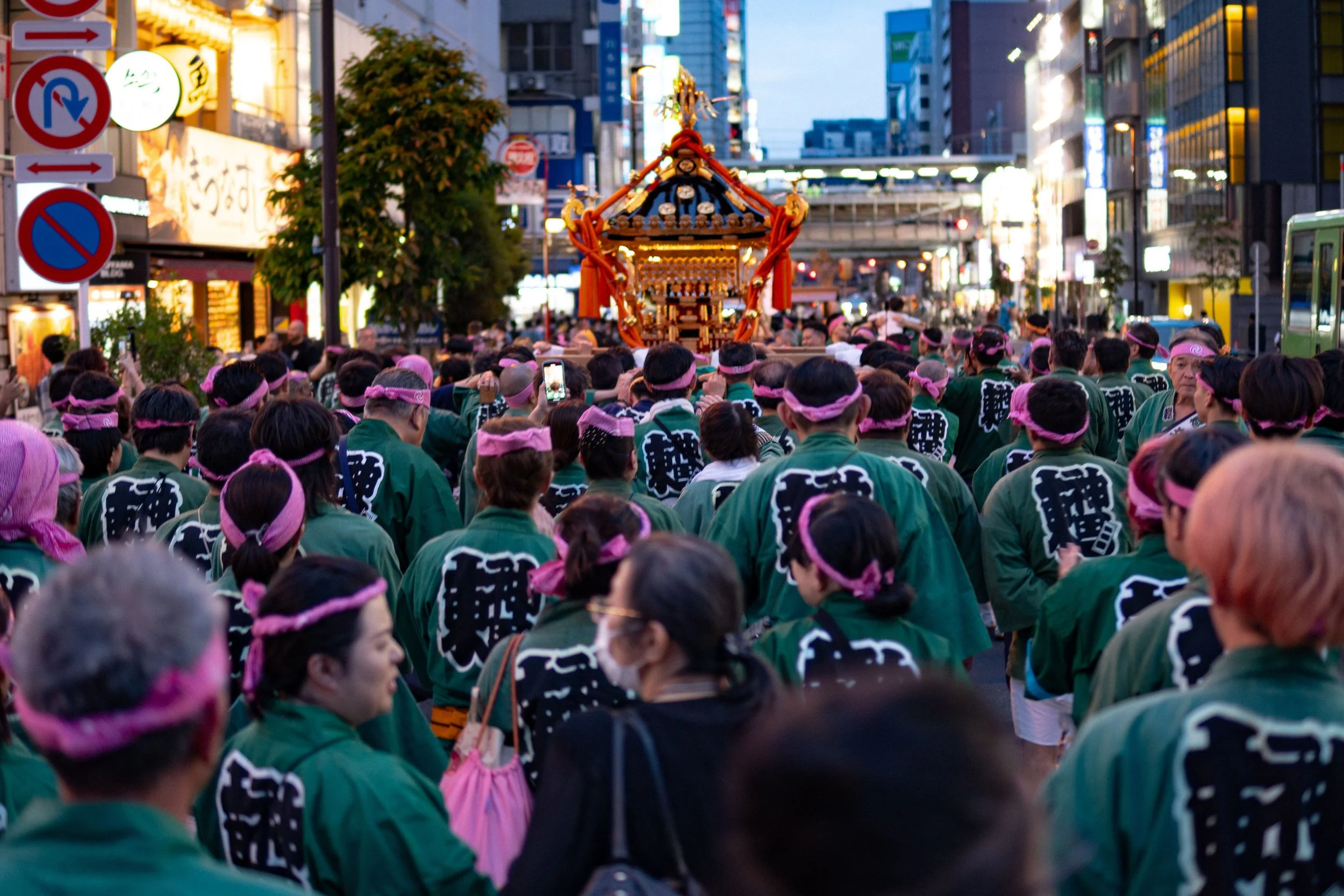
The second stop on our itinerary bring us to another Pacific archipelago, and the port of Kobe, Japan. With its blend of modern industry amidst preserved ancient culture, Japan presents a variety of options for experiential learning. Students often enjoy getting a glimpse into traditional Geisha culture, taking a train to Tokyo or the Harborland district in Kobe.

Food
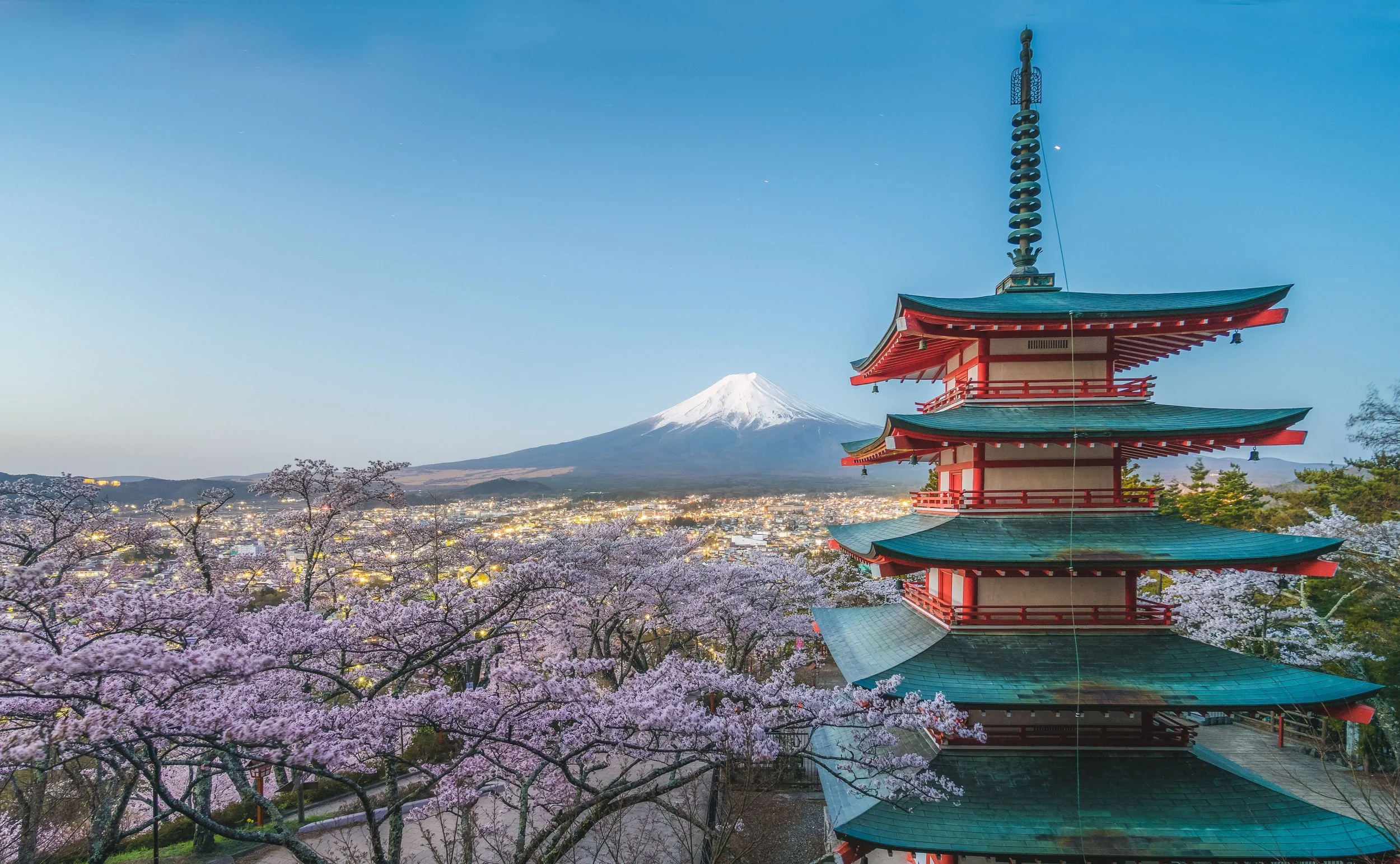
In Japanese food culture emphasizes seasonality, freshness, simplicity, presentation, regional identity, and respect for ingredients. Food is viewed not merely as nourishment but as an important expression of Japanese culture and the relationship between people, nature, and the changing seasons. Traditional Japanese dietary culture, known as washoku, was recognized by UNESCO as Intangible Cultural Heritage in 2013.
Tourism
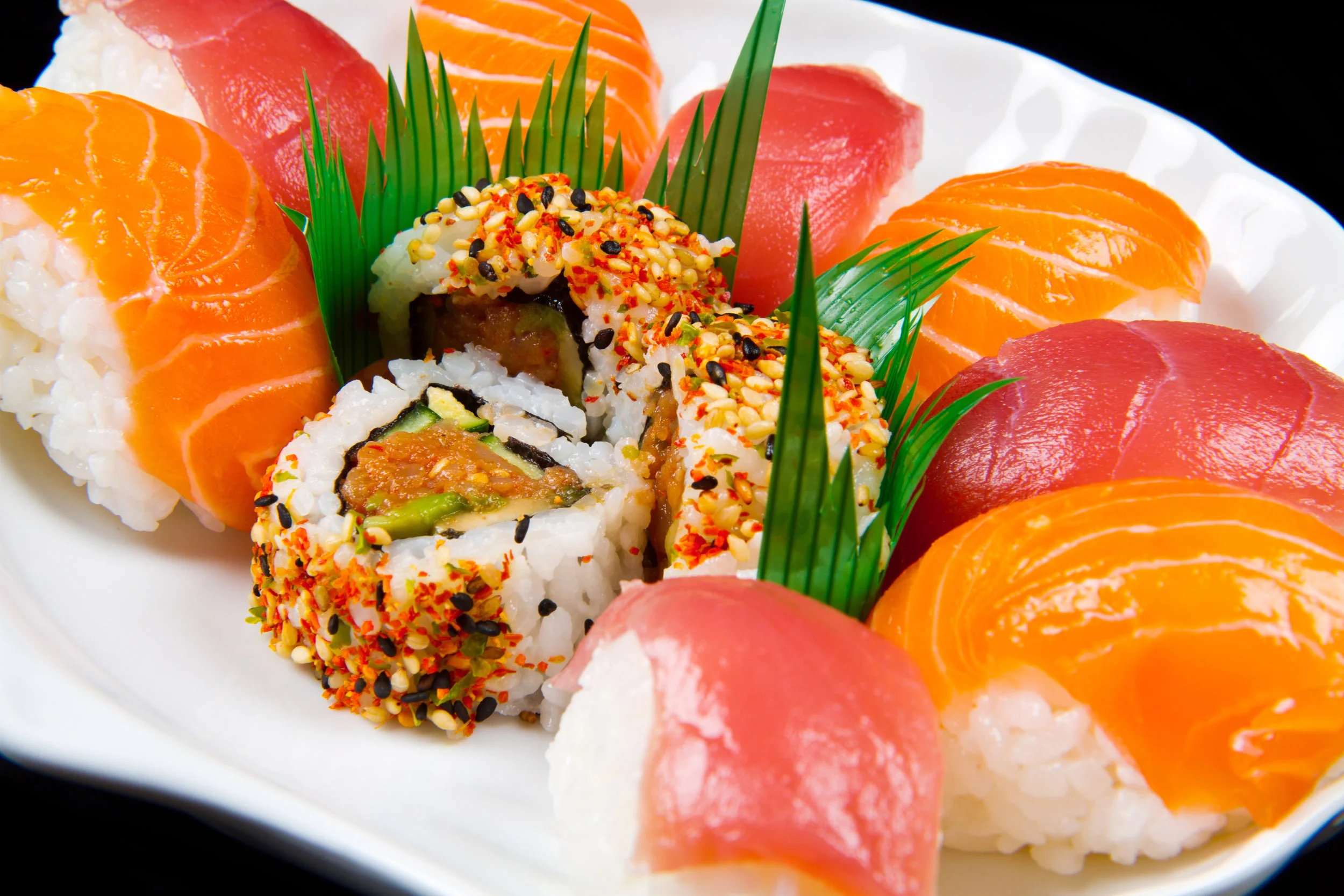
For tourism, Japan is fascinating because food can become the destination itself. Fish markets, sake breweries, tea ceremonies, cooking classes, ramen shops, izakaya, regional food festivals and traditional inns allow visitors to experience Japanese culture through eating.
There is also a wonderful concept for tourism: omotenashi, the Japanese tradition of thoughtful hospitality. It connects food, service and the anticipation of a guest's needs—making Japanese food culture especially relevant to the study of hospitality and tourism experiences.
Social Entrepreneurship
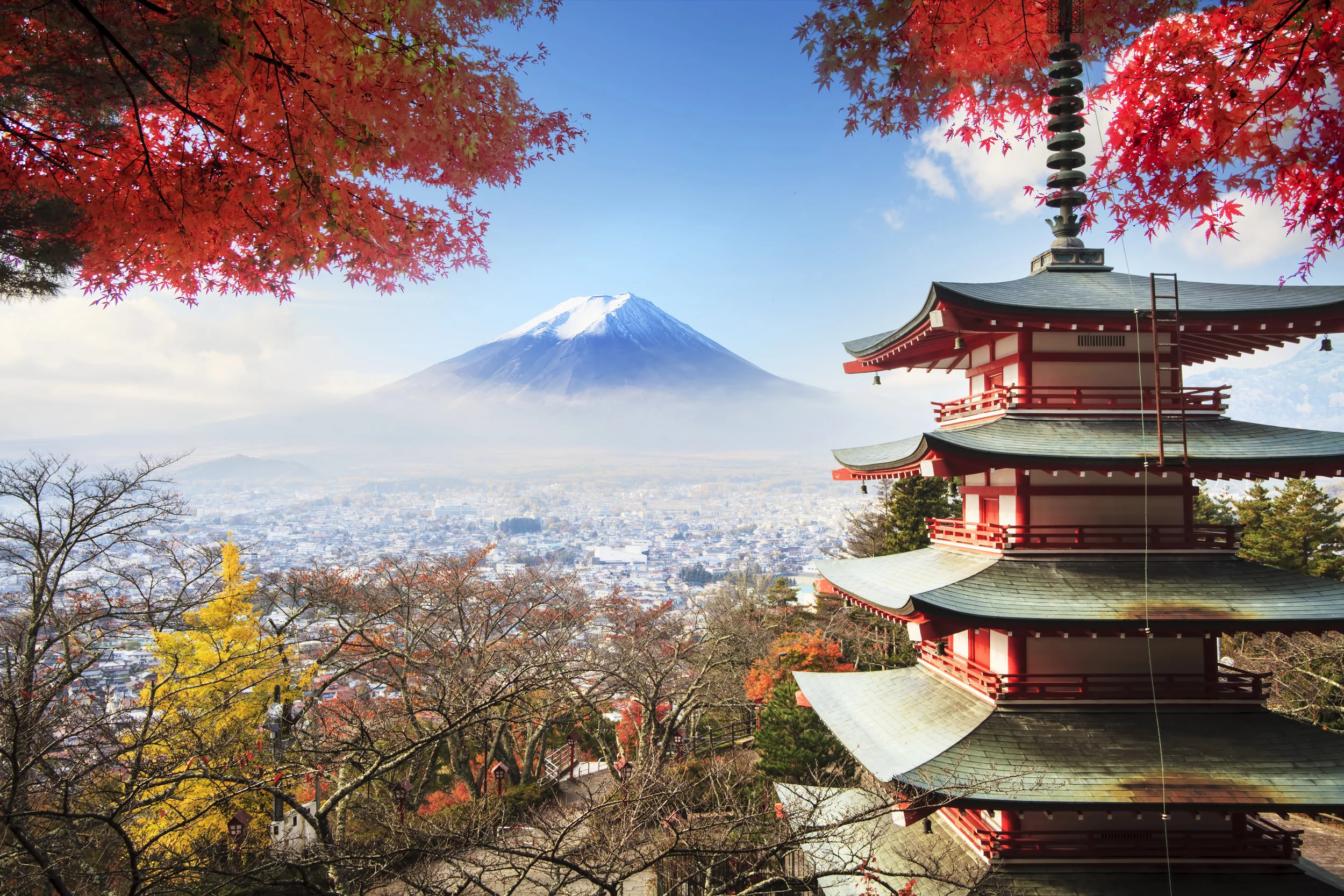
Japan offers an excellent example of the contrast between overtourism and tourism dispersal. Tokyo, Kyoto and Osaka receive enormous attention, while rural regions and smaller communities seek visitors and tourism income.
That creates a natural opening for social entrepreneurship: community-run accommodations, food experiences, craft workshops, agricultural tourism, local guides and heritage experiences can draw visitors into less-visited regions while keeping more tourism revenue within communities..