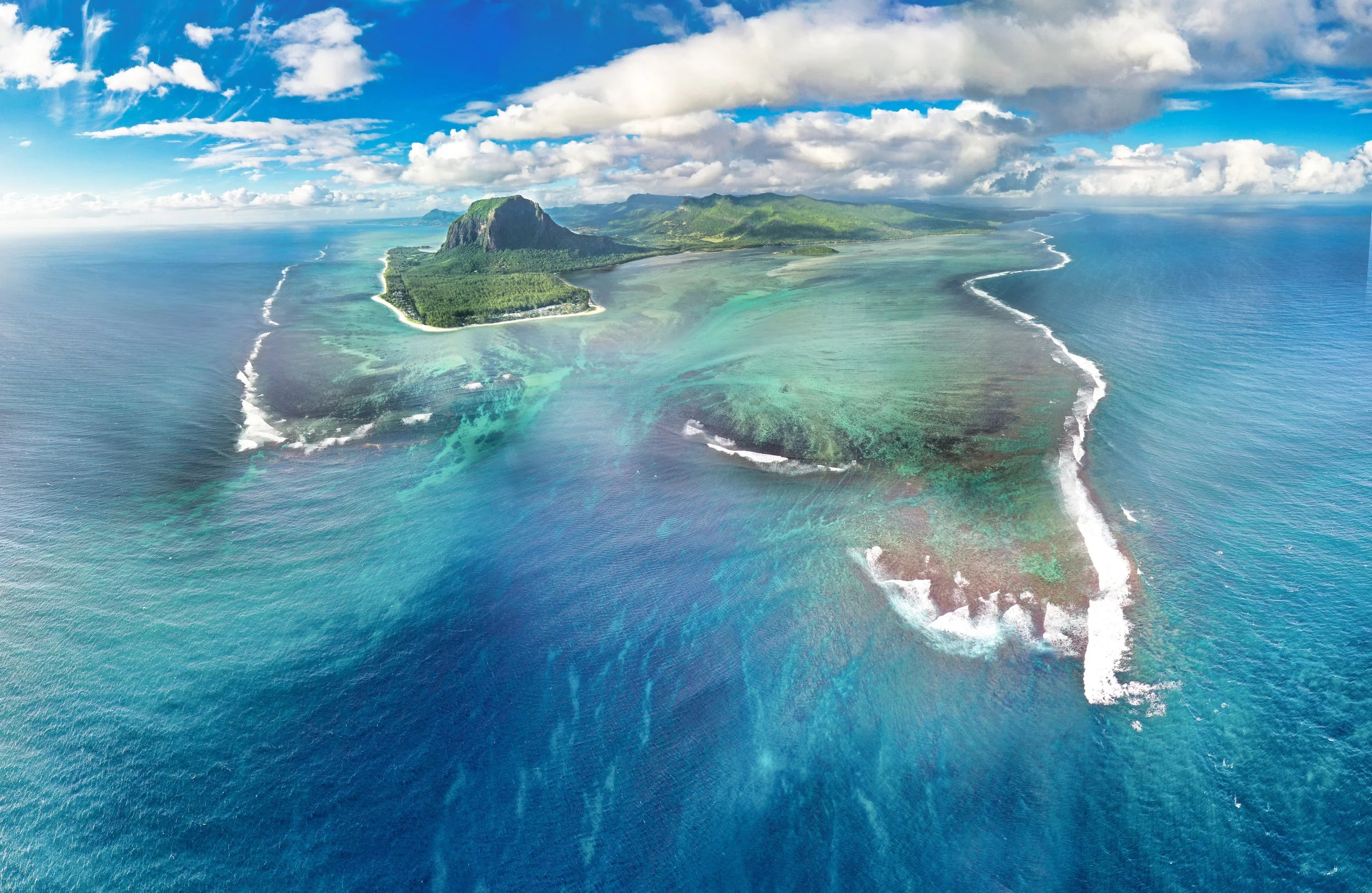
Mauritius
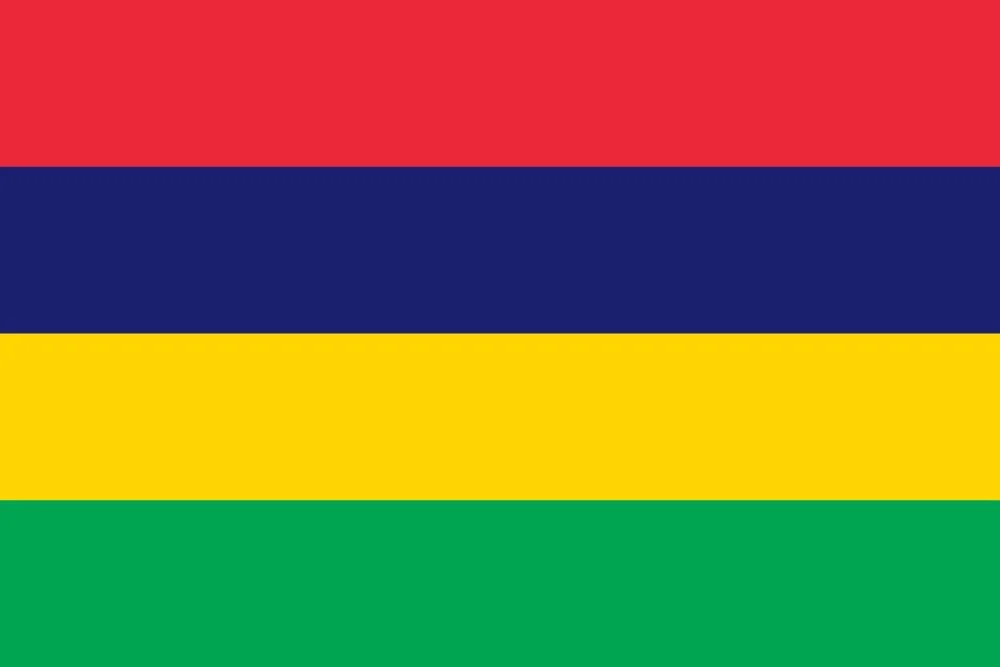
Mauritius is fascinating because its population and culture were created largely through centuries of migration, colonialism, slavery, indentured labor, and trade. There was no permanent Indigenous population when Europeans began settling the island. That history helps explain why modern Mauritius is extraordinarily multicultural. It is an African country geographically and politically, but culturally it reflects African, Indian, European and Chinese influences.
Its population of roughly 1.3 million includes people with Indian, African/Creole, Chinese and European ancestry. English is the official language of the National Assembly, while Mauritian Creole is widely spoken in everyday life and French is extremely prominent. Hinduism is the largest religion, alongside Christianity, Islam and other traditions.

Food
Tourism
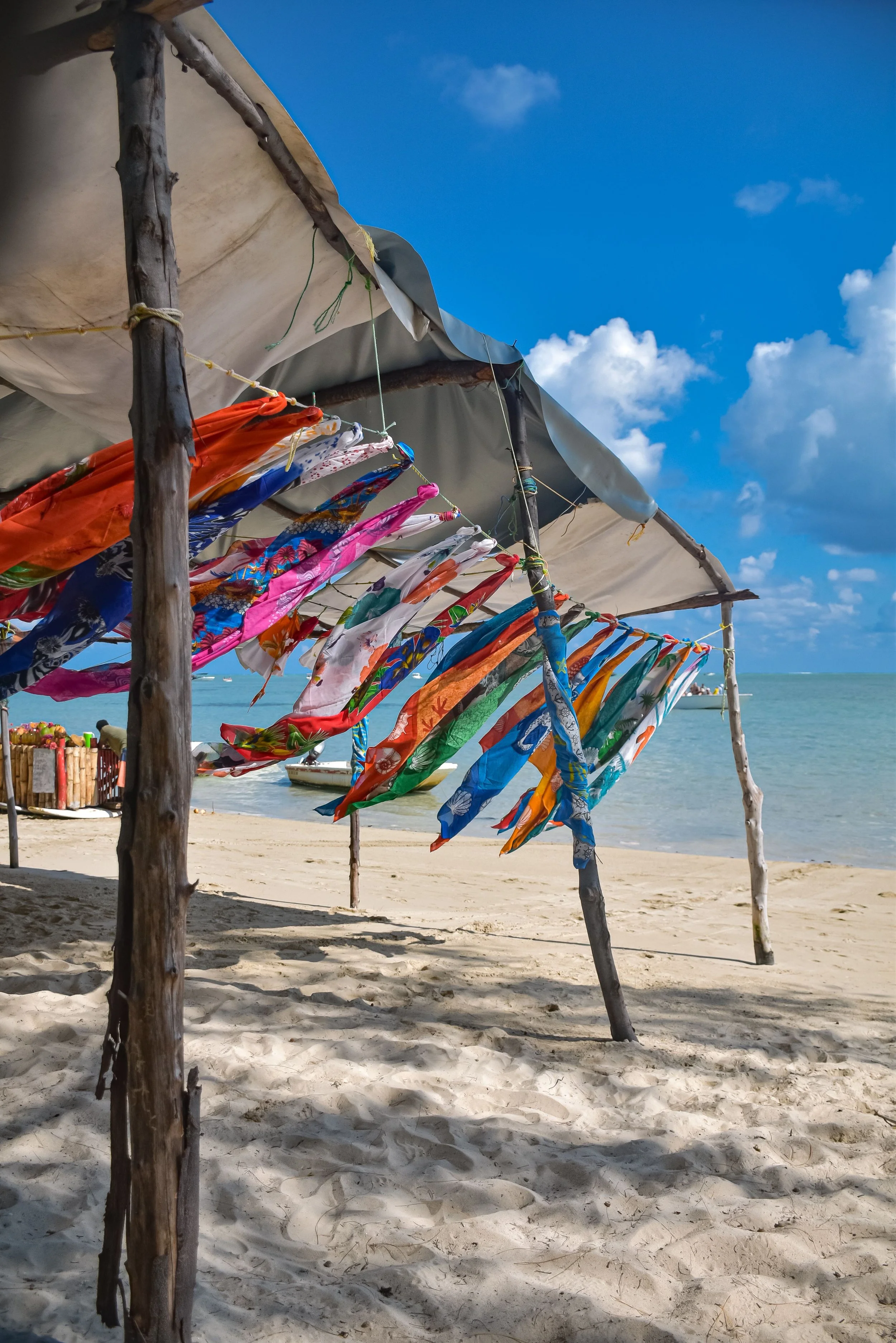
Tourism remains extremely important. The traditional image is luxurious resorts, beaches and honeymoons, but Mauritius also offers mountains, hiking, food, markets, colonial and plantation history, religious heritage and cultural tourism. Le Morne Cultural Landscape is especially significant: the mountain became associated with escaped enslaved people and resistance to slavery and is now a UNESCO World Heritage Site.
Social Entrepreneurship
Social entrepreneurship has particular potential in Mauritius because the country's highly developed resort and luxury tourism sector exists alongside small communities, local producers, artisans, fishermen and environmental organizations. A tourism social enterprise uses visitor spending to address a social or environmental need while operating with an entrepreneurial, revenue-generating model.
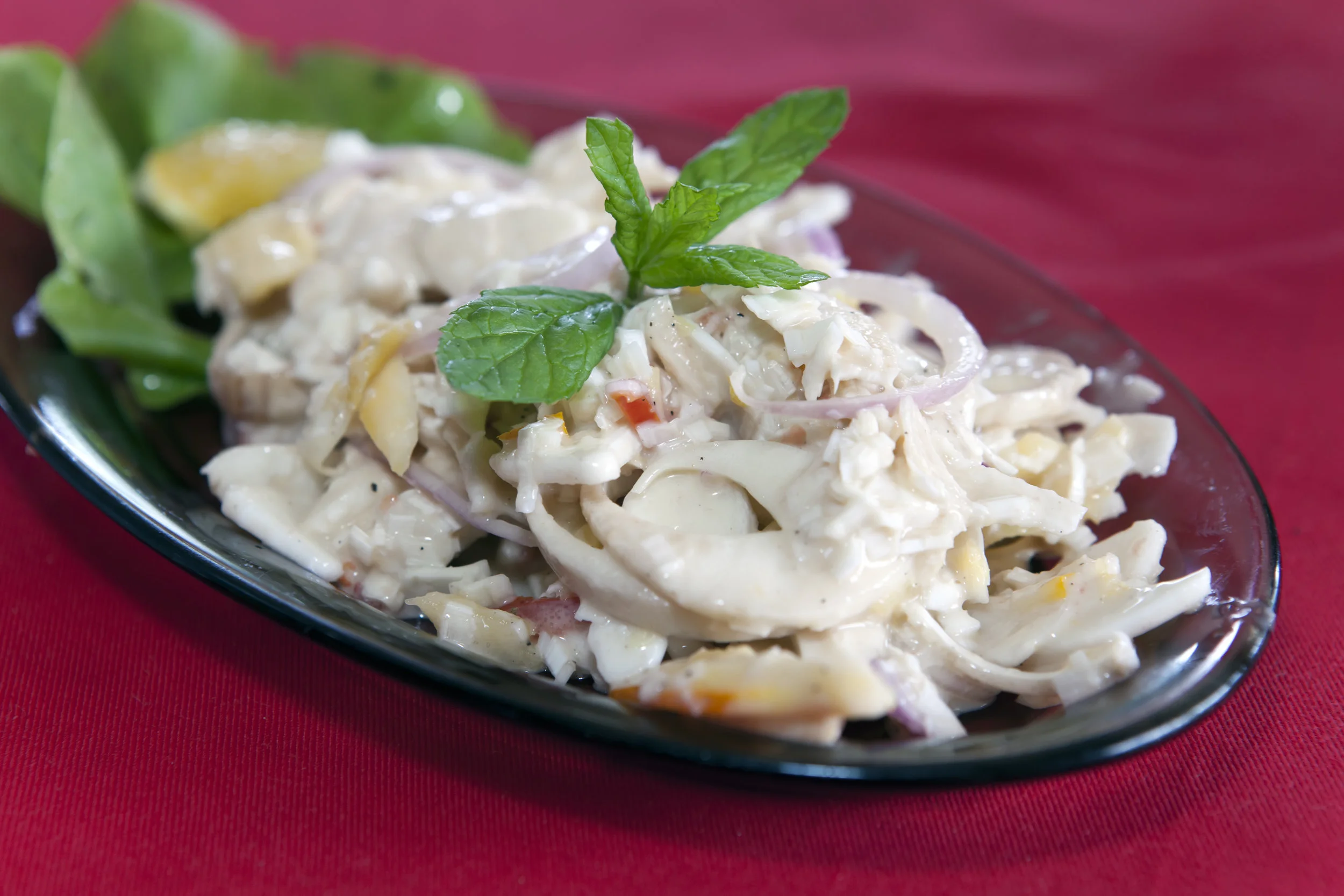
Mauritian cuisine combines Indian curries and spices, Creole cooking, French techniques, Chinese dishes, seafood and African influences. Street foods such as dholl puri are an important part of everyday food culture. Sega, with African and Creole roots, is one of the island's distinctive musical and dance traditions.
