Morocco
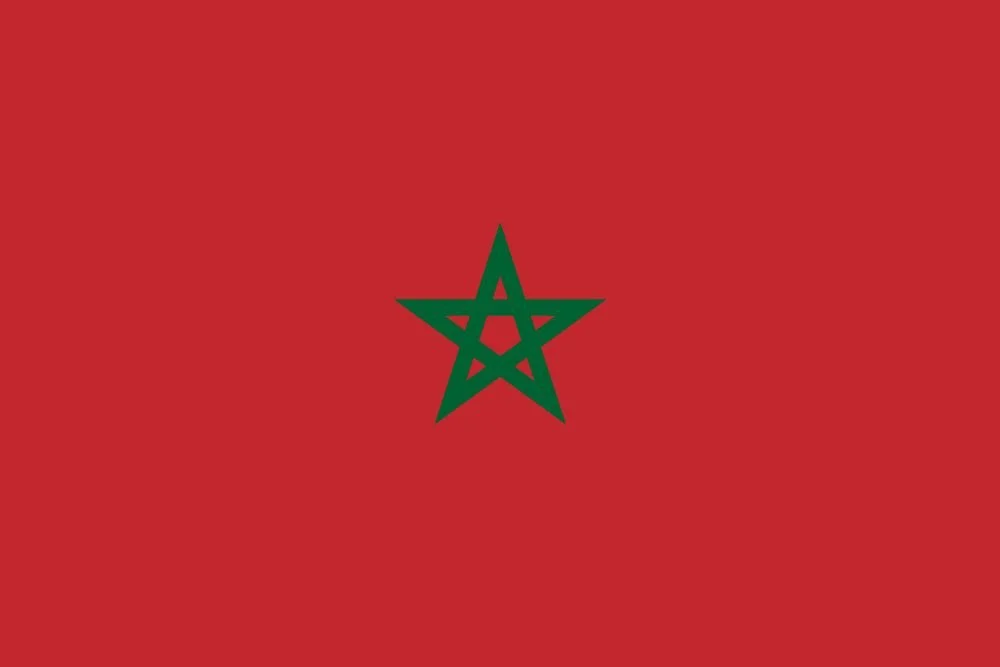
Morocco is an immensely rich cultural center point of north-western Africa that exudes influences of all of the proximal regions, including Spain and the Mediterranean, Egypt, the Sahara Desert, and the Atlas Mountains. The port of Casablanca, established in the 20th century, is a busy metropolis and home to the Hassan II Mosque, the second largest in the world after Mecca. Teeming with color bazaars and exotic culture, Casablanca and nearby Rabat and Marrakech will give voyagers a taste of a culture far different from any other place.
Food
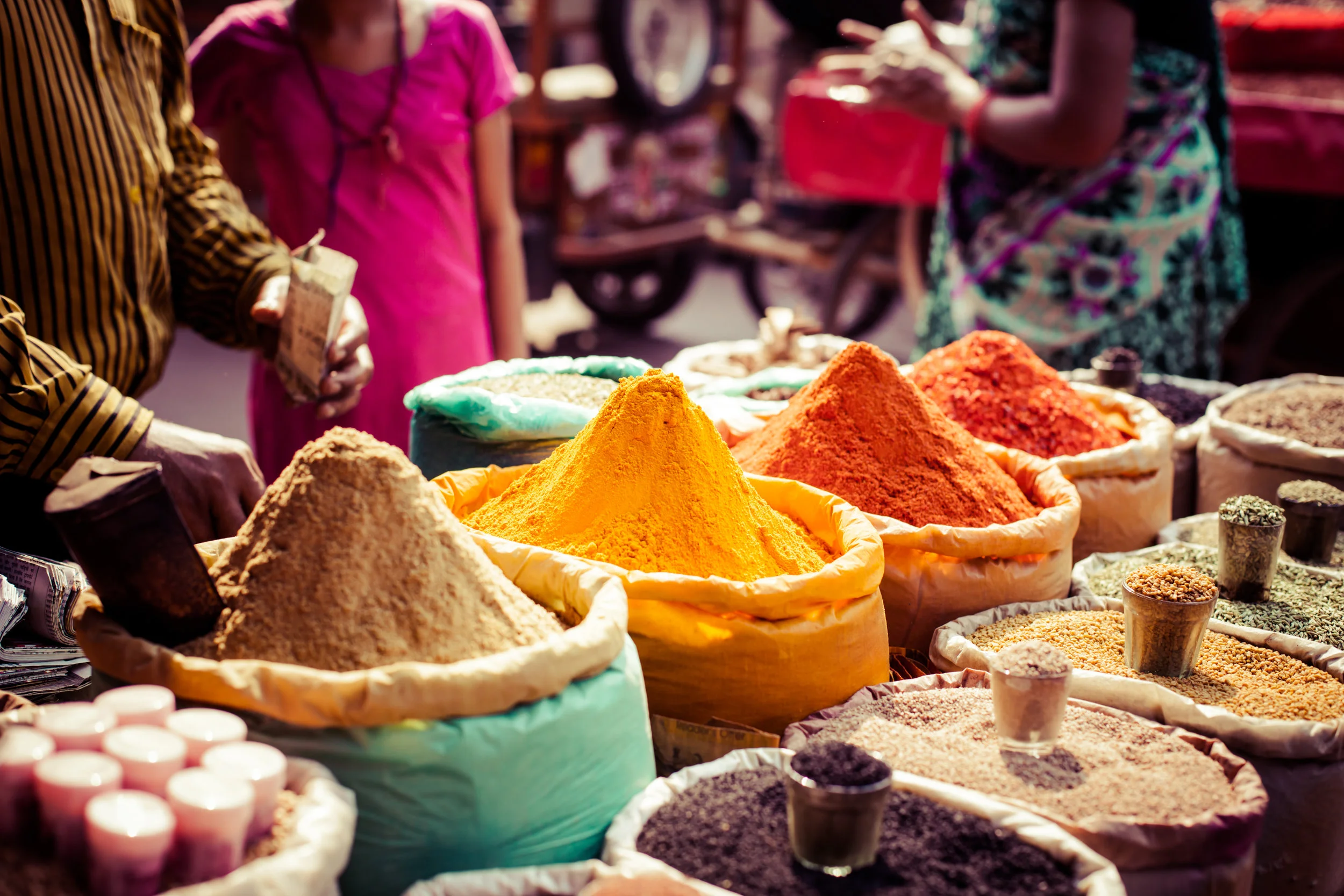
Moroccan food culture reflects the country's remarkable mixture of Amazigh (Berber), Arab, African, Andalusian, Mediterranean and Jewish influences. Food is strongly connected to family, religion, hospitality and community, and meals are often meant to be shared rather than eaten individually.
Food also varies significantly by region. Coastal areas such as Essaouira emphasize fish and seafood; Fez is associated with elaborate traditional cuisine; Marrakech has strong street-food traditions; and Amazigh communities in the Atlas Mountains maintain distinctive breads, couscous, tagines and agricultural traditions.
Tourism
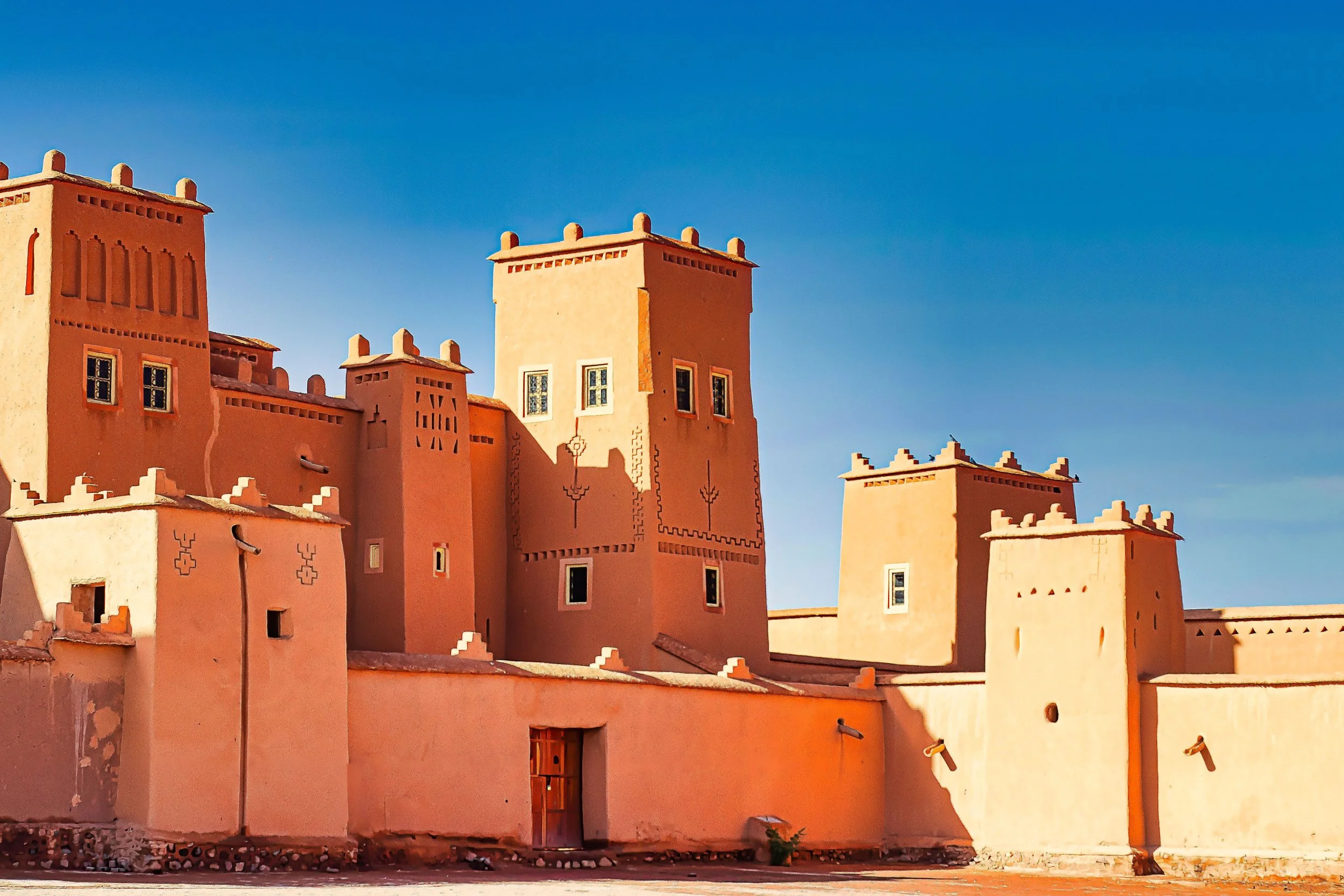
Morocco is one of Africa's major tourism destinations because it offers an unusually rich combination of historic cities, Islamic and Amazigh culture, food, mountains, desert landscapes, beaches, crafts and distinctive architecture. Its proximity to Europe also makes it relatively accessible to international travelers.
Marrakech is probably Morocco's best-known tourism destination. Its historic medina contains souks, palaces, gardens, riads and traditional architecture. Jemaa el-Fnaa is the city's famous central square, filled with food vendors, performers and merchants. Marrakech is especially strong in cultural, culinary, shopping and experiential tourism.
Fez (Fès) provides an even deeper immersion in traditional Moroccan urban culture. Its enormous medieval medina, Fes el-Bali, contains narrow streets, markets, mosques, workshops and the city's famous leather tanneries. Fez is particularly important for heritage, craft and cultural tourism.
Casablanca is Morocco's largest city and economic center. It is more modern and business-oriented than Marrakech or Fez, although the spectacular Hassan II Mosque is a major attraction.
Rabat, Morocco's capital, combines government institutions with historic sites, gardens, museums and a more relaxed atmosphere than Marrakech.
Chefchaouen, located in the Rif Mountains, has become famous internationally for its beautiful blue-painted buildings and streets. Photography and social media have significantly increased its tourism profile.

Social Entrepreneurship
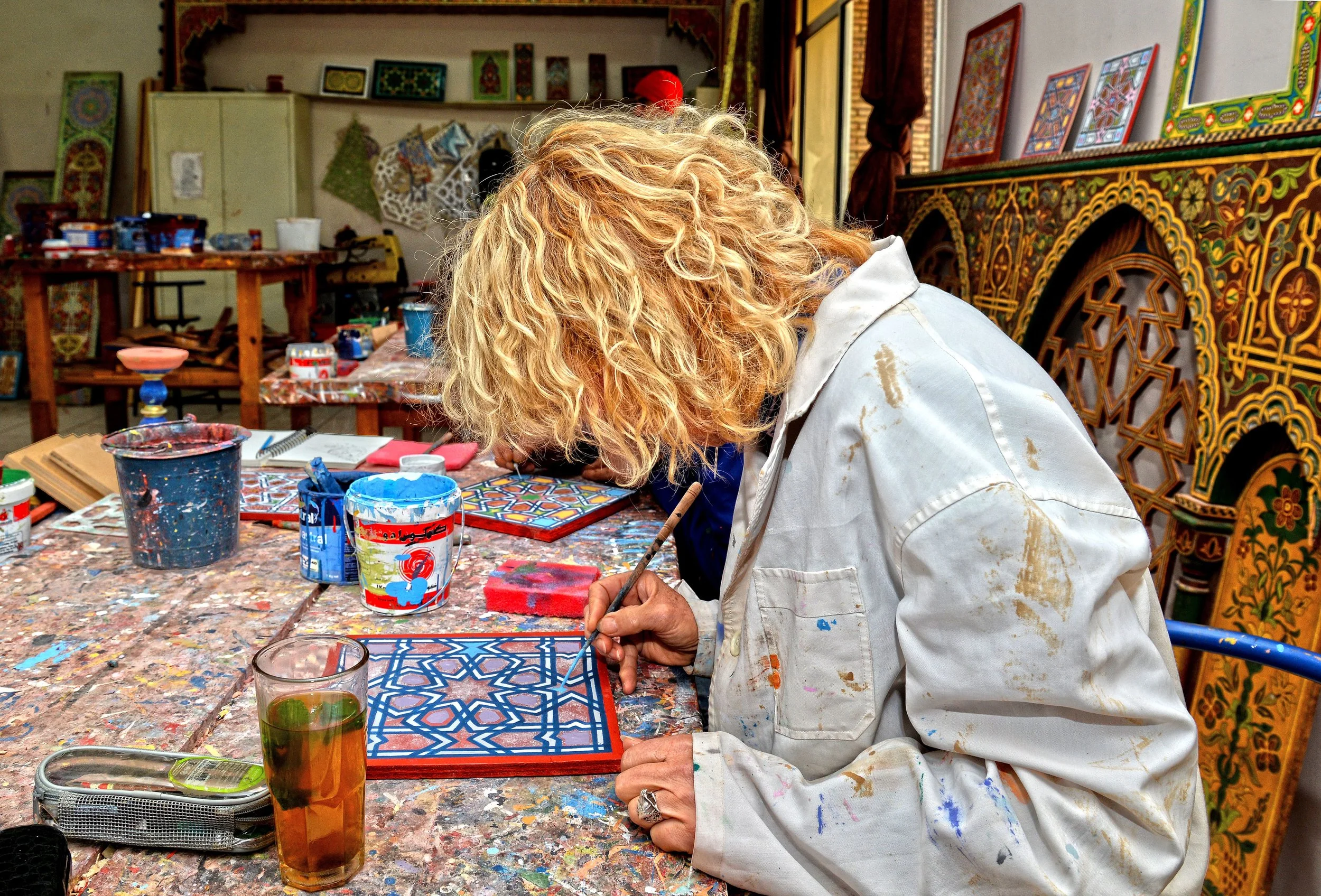
Morocco provides an excellent setting for social entrepreneurship in tourism because many of the experiences visitors seek—food, crafts, rural landscapes, Amazigh culture, traditional architecture and desert experiences—are rooted in local communities. Social entrepreneurship can turn these cultural and natural resources into income while pursuing goals such as women's empowerment, rural development, cultural preservation and environmental sustainability.
One of the clearest examples is the development of women's cooperatives. In southwestern Morocco, women's cooperatives produce argan oil and related culinary and cosmetic products. Tourism provides an additional market through cooperative visits, demonstrations and direct sales. Ideally, the model provides women with income, employment, training and greater economic independence while maintaining traditional production knowledge.