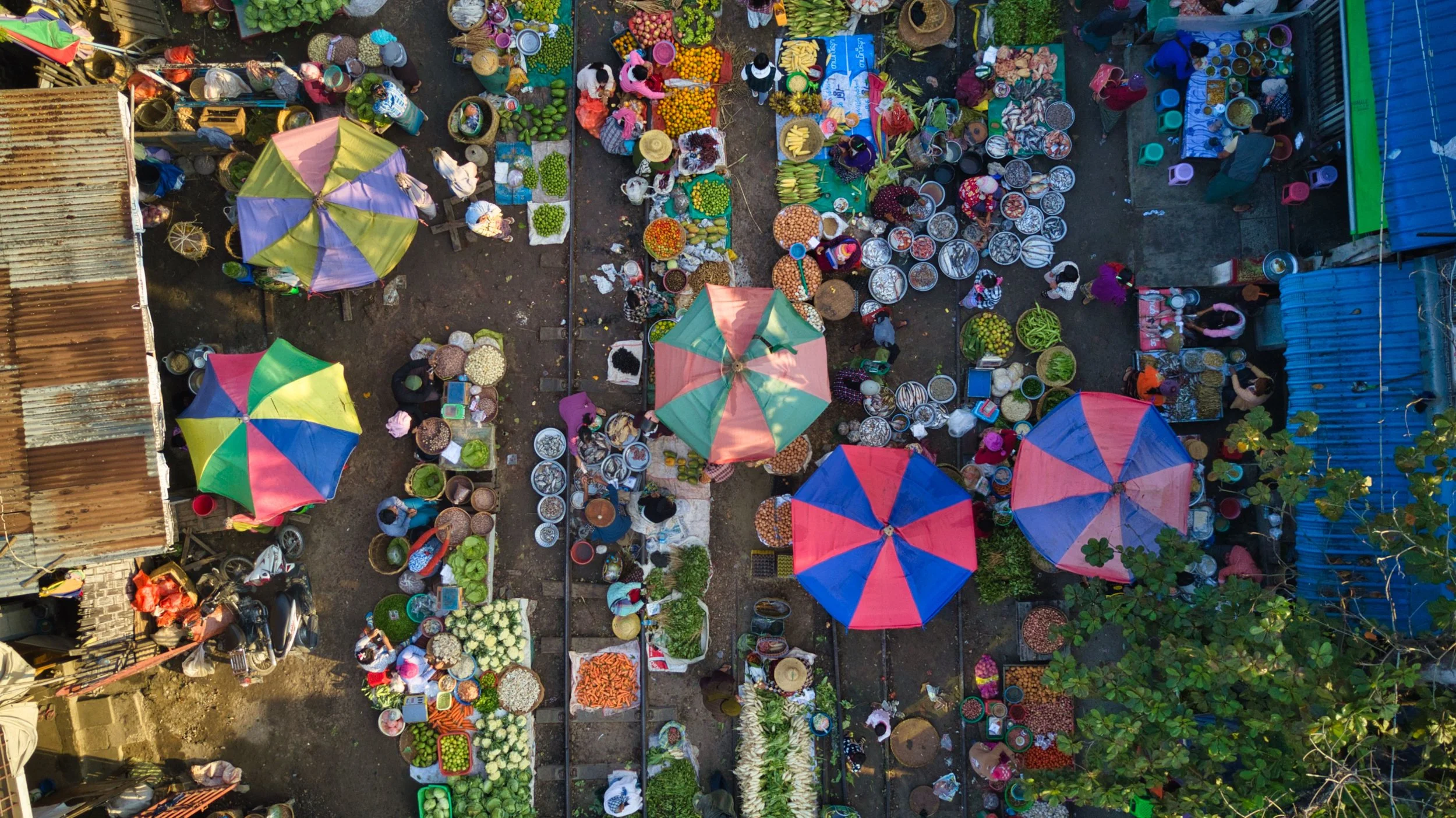
Myanmar
Burma, officially the Republic of the Union of Myanmar, has preserved its Buddhist traditions and predominantly rural culture. In many ways, Burma has remained unchanged since British colonial times. SAS students may partake in a visit to an elephant camp, engage with teachers and children at a local school, or participate in a meditation

Food
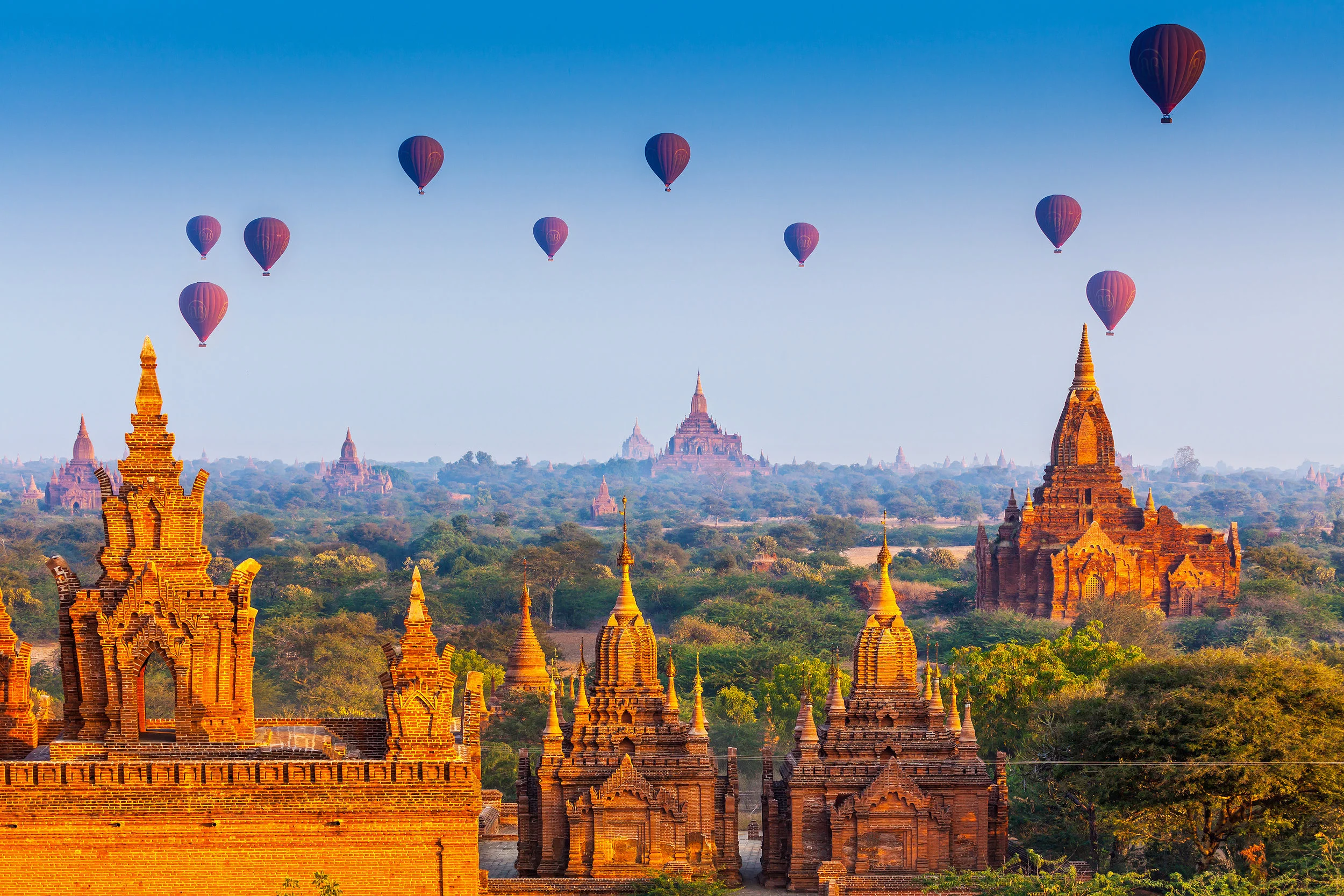
In Myanmar we will focus on the history, development and foreign influences on their food and culture. We will learn about the agriculture, traditions, and culture. Our goal will be to discover the unexpected from the local people and culinary communities.
Tourism
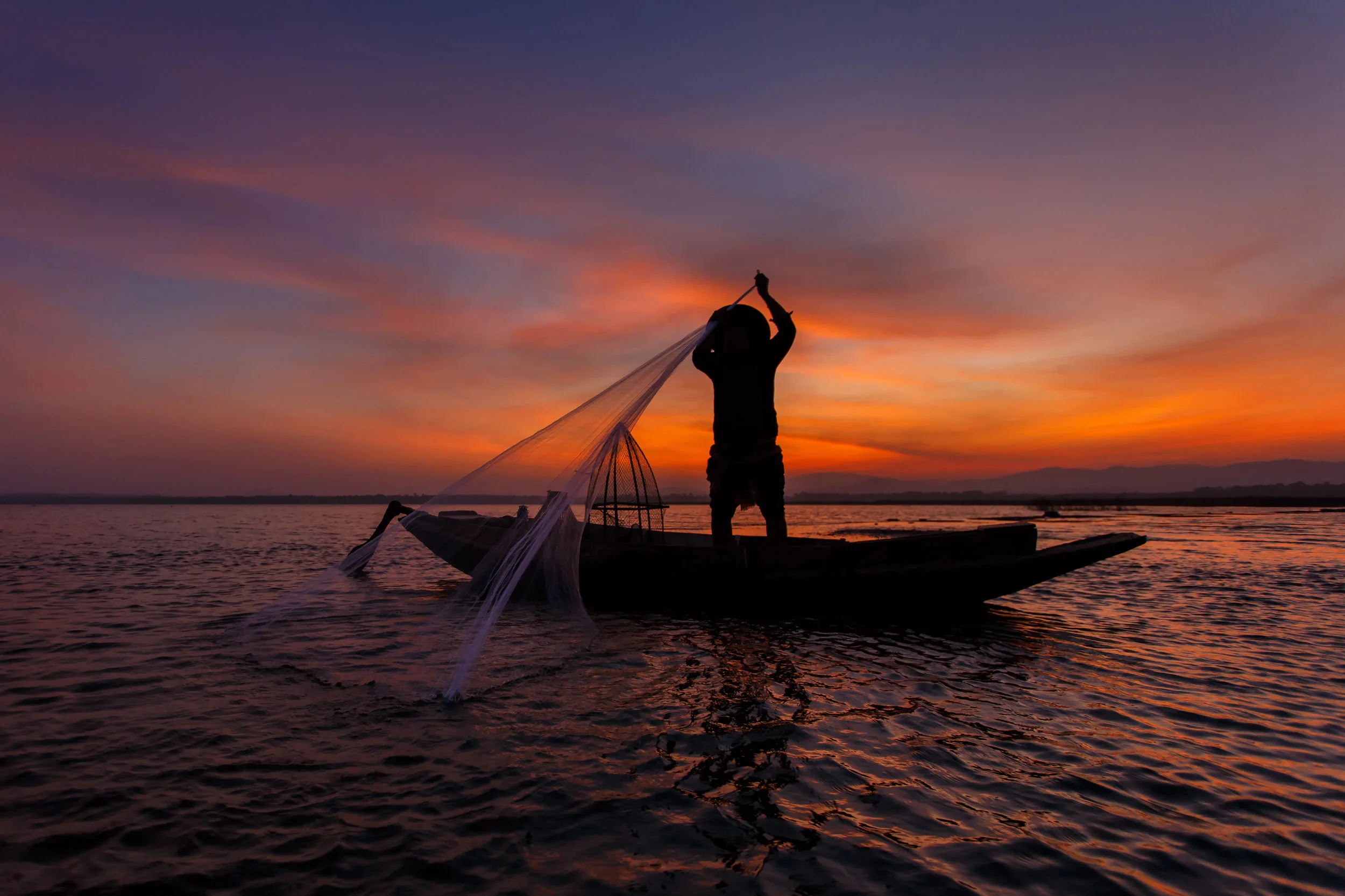
Myanmar is an extraordinarily rich tourism destination in terms of Buddhist heritage, ancient cities, ethnic diversity, landscapes, food and traditional culture. However, tourism today has to be discussed differently from many of the other countries we've covered because the country has experienced severe political conflict since the 2021 military coup.
Myanmar's tourism potential extends far beyond sightseeing. Visitors have historically been attracted by Buddhist monasteries and pilgrimage sites, traditional markets, handicrafts, textiles, ethnic foods, villages and festivals.
However, Myanmar is not simply a destination to go visit. The country continues to experience armed conflict, political repression and serious travel risks following the military takeover. Conditions also vary substantially by region.
Social Entrepreneurship
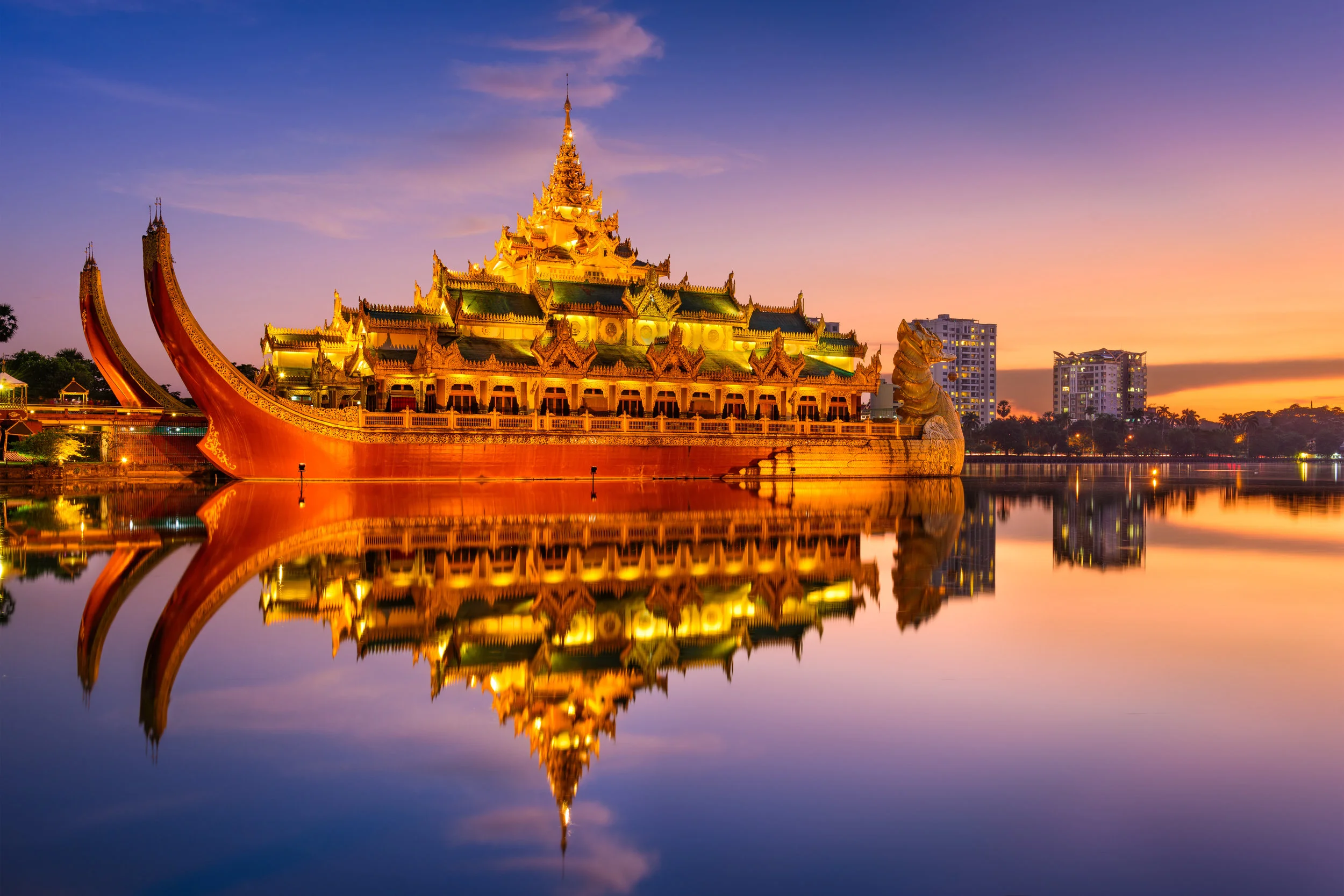
Before the current political crisis, Myanmar was developing promising forms of community-based tourism (CBT) designed to bring tourism income directly to rural and ethnic communities. Instead of visitors staying exclusively in conventional hotels and using outside tour operators, CBT encouraged interaction with local guides, families, farmers, artisans and food producers.