Peru
Peru's history extends thousands of years before European colonization. Numerous sophisticated civilizations developed along the Pacific coast and in the Andes, including the Caral, Nazca, Moche and Chimú cultures. The best-known civilization is the Inca Empire, which by the 15th century controlled a vast territory stretching through much of western South America. Cusco was its political and spiritual center.
Modern Peru is a country of roughly 34 million people, with enormous geographic and cultural diversity. The country is commonly understood through three broad geographic zones: the Pacific coast, Andes Mountains and Amazon rainforest. Lima is the enormous political, economic and cultural capital.
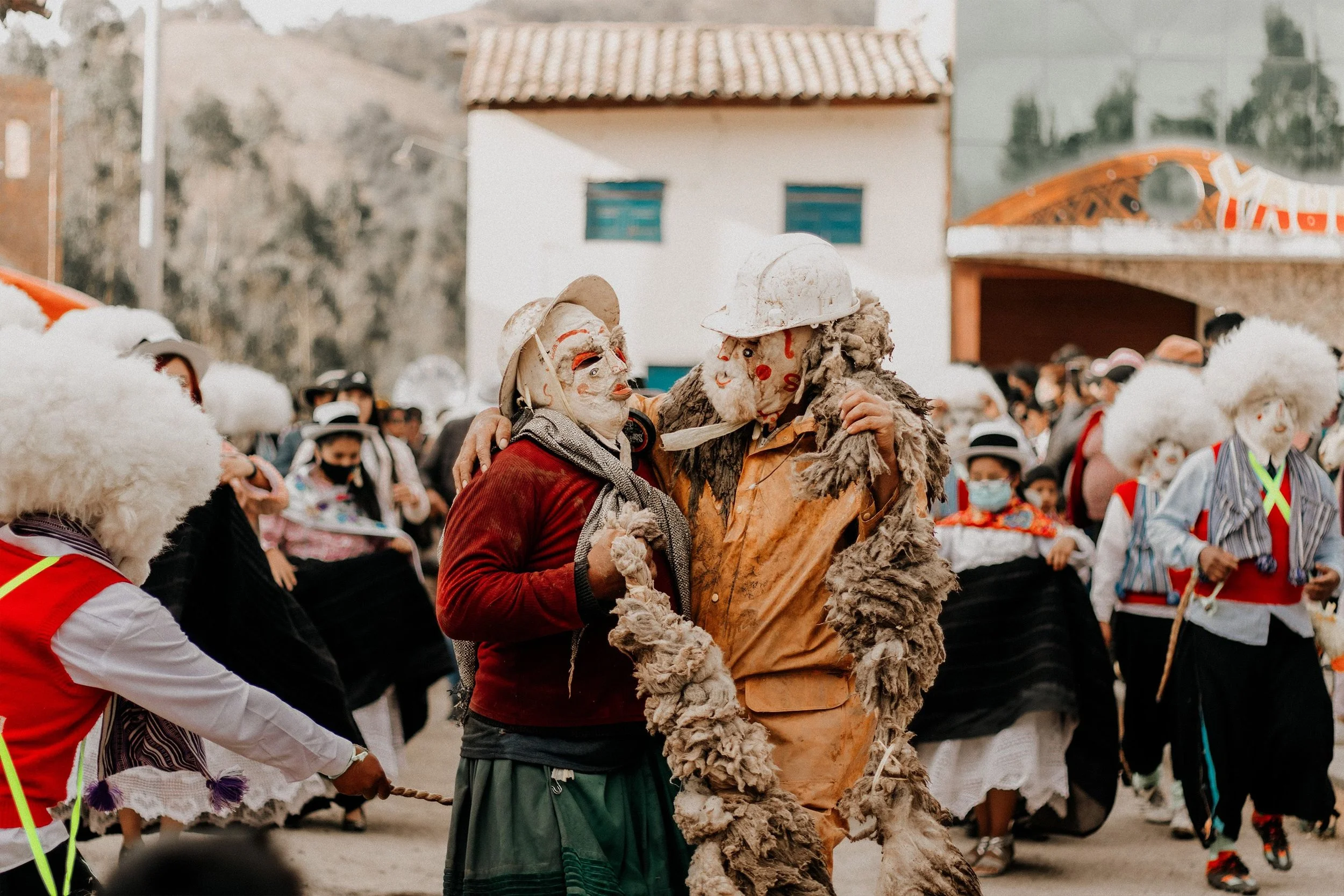
Peru is multicultural and multilingual. Spanish predominates, while Quechua, Aymara and numerous Indigenous languages remain important
Food
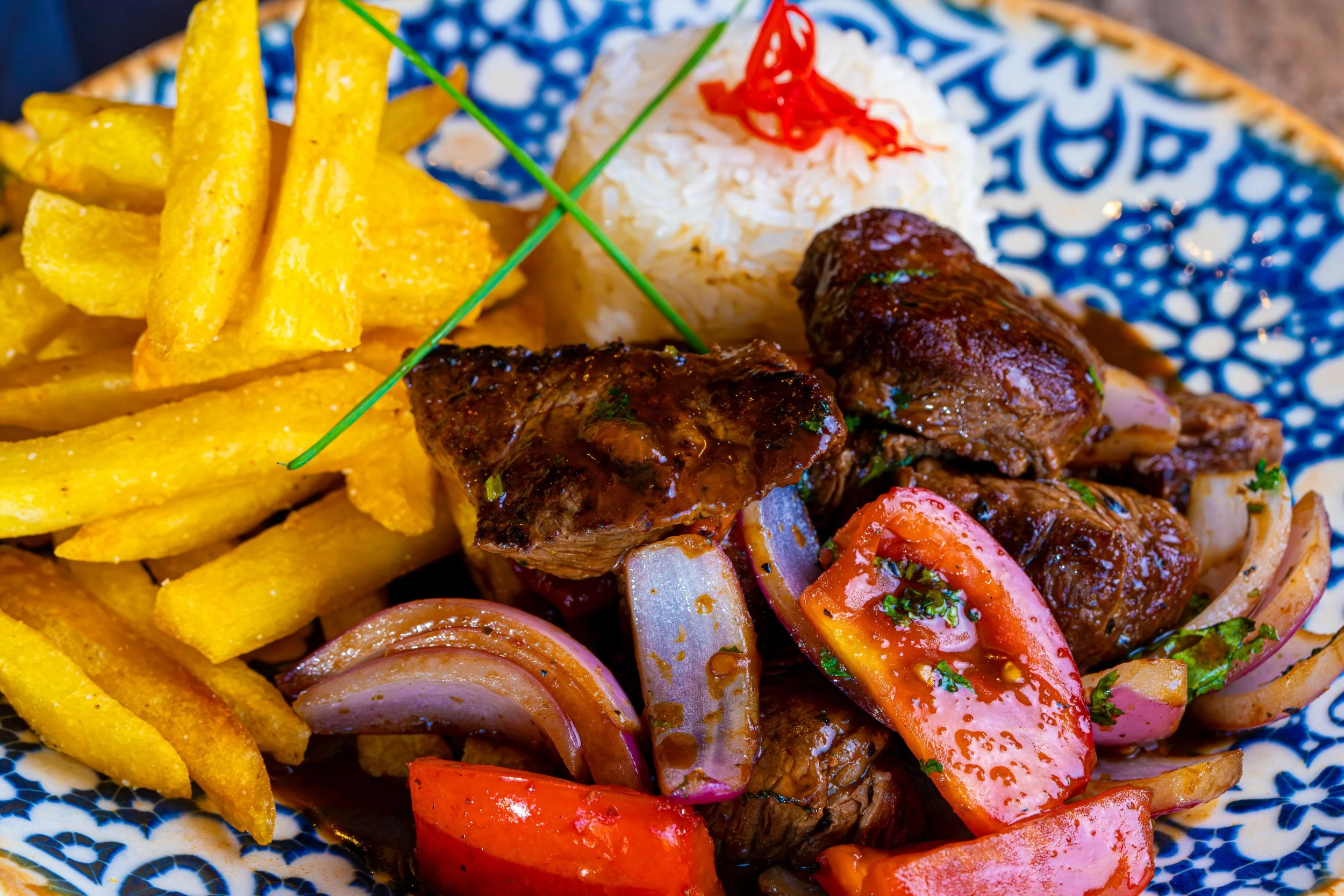
Peruvian cuisine is one of the country's greatest cultural assets. Its extraordinary diversity results from the combination of Indigenous Andean traditions with Spanish, African, Chinese, Japanese and other immigrant influences.
Peru is especially important agriculturally. The Andes are associated with an extraordinary diversity of potatoes, along with corn, quinoa and numerous other crops.
Perhaps Peru's most internationally recognized dish is ceviche, traditionally prepared with fresh fish cured in citrus juice and accompanied by ingredients such as onions, chili peppers, corn and sweet potato.
Tourism
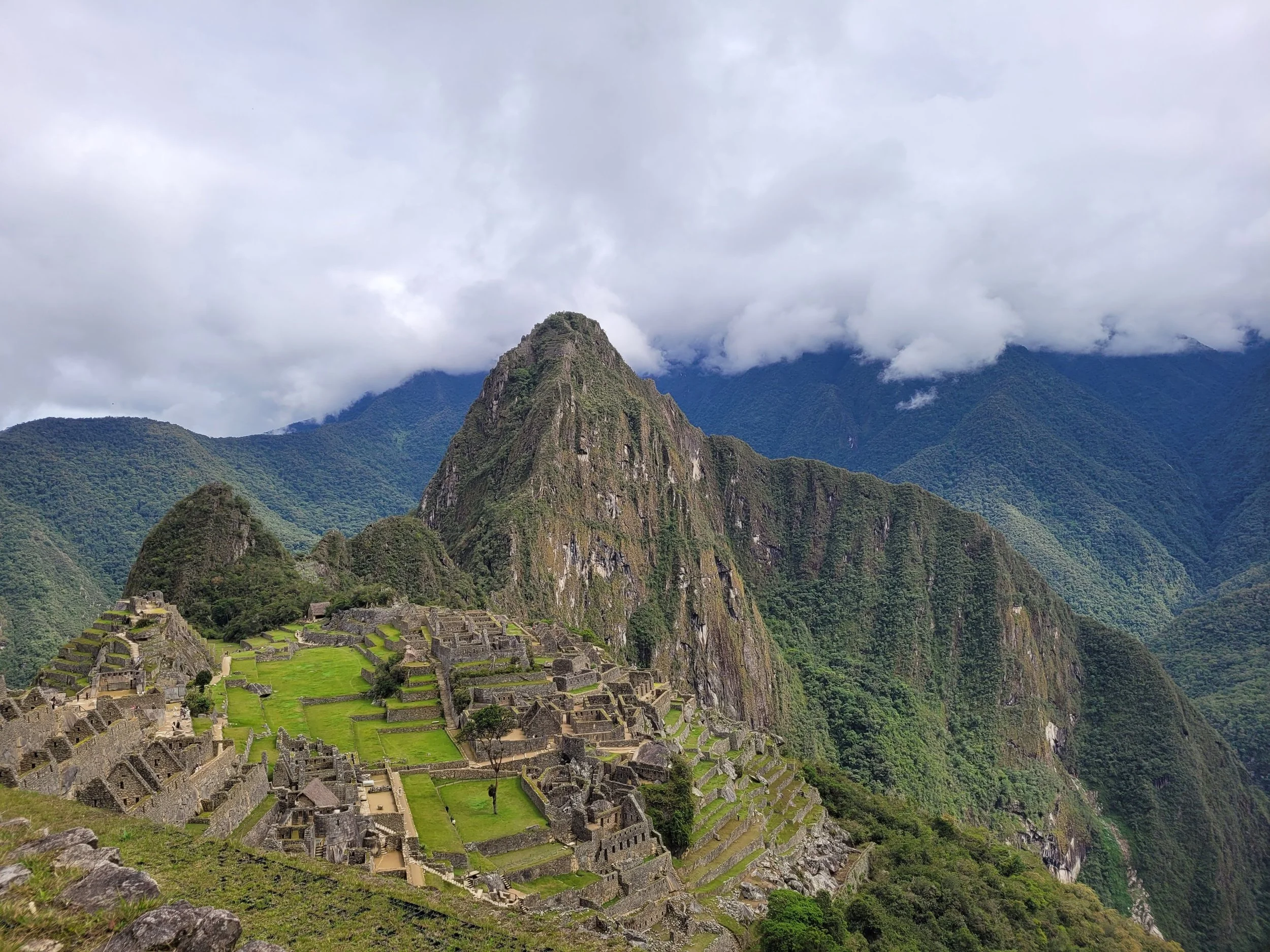
Peru's international tourism identity is dominated by one extraordinary attraction: Machu Picchu. The 15th-century Inca site is one of the world's most recognizable archaeological destinations and a UNESCO World Heritage Site.
But Peru offers much more than Machu Picchu.
Cusco and the Sacred Valley form the heart of Peru's cultural tourism product. Visitors encounter Inca archaeological sites, Spanish colonial architecture, Indigenous communities, markets, textiles and Andean food traditions.
Lima is increasingly important for gastronomic and urban tourism, alongside colonial heritage, museums, archaeology and its dramatic Pacific coastline.
Social Entrepreneurship
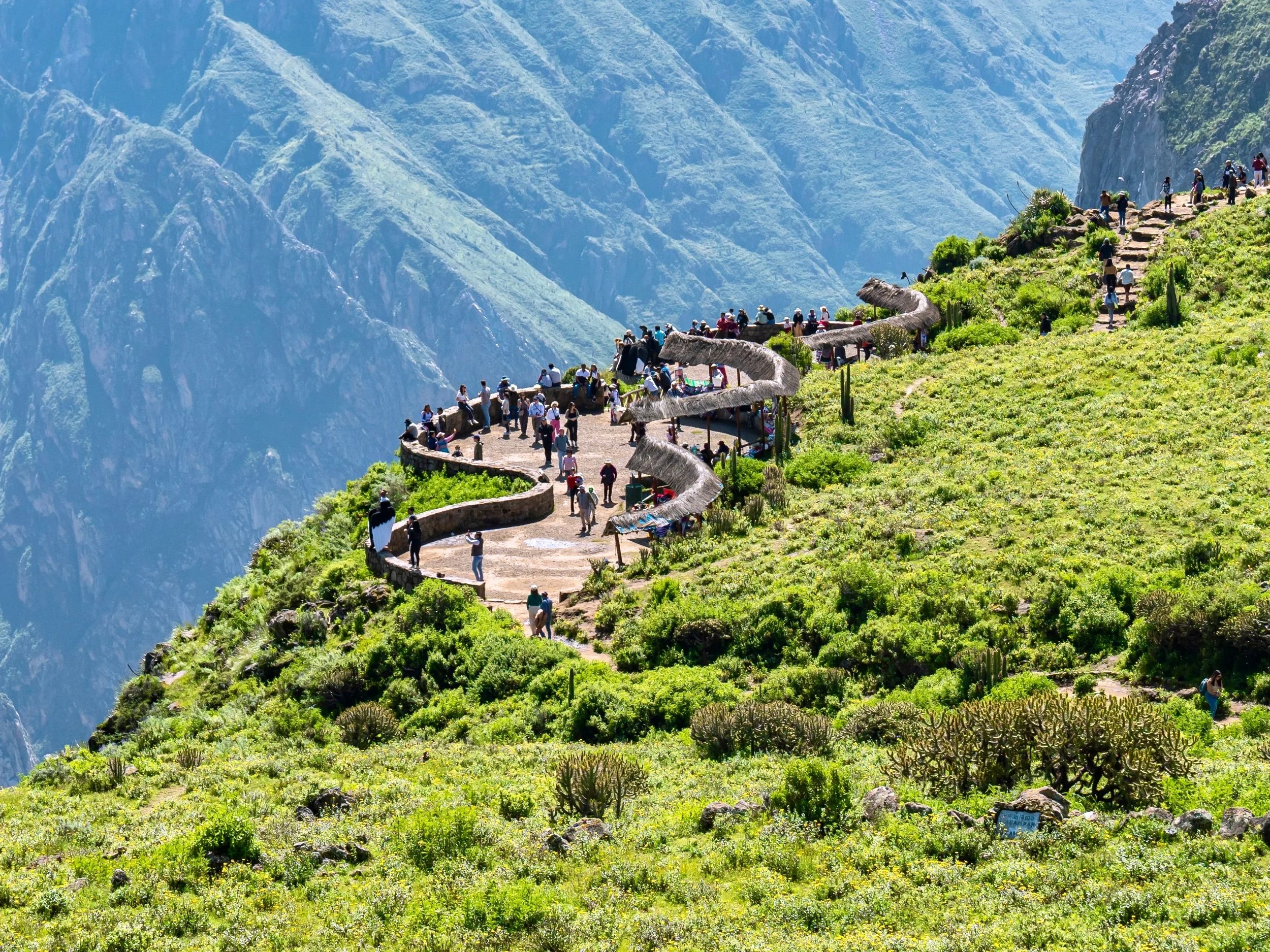
The central issue is that international tourists may spend substantial amounts to experience Indigenous culture, archaeological heritage and Andean landscapes, while communities living alongside those tourism resources do not necessarily capture an equivalent share of the economic benefits.
Community-based tourism can enable Indigenous communities to operate homestays, guiding businesses, cultural experiences, food services and transportation.