Behind the Leather Jacket: Sustainability and the Tanneries of Fez

When I visited Fez, Morocco, I did what many travelers do: I wandered through the market and bought a beautiful leather jacket. But seeing where and how that leather was produced changed the experience completely.
From above, the historic tannery looked almost like an artist’s palette—large stone vats filled with shades of red, yellow, brown, and blue. Below, workers moved among the vats, handling and processing animal hides using methods passed down through generations. I watched men physically enter the vats and work directly with the leather. It was fascinating, but also unsettling.
The traditional tanneries of Fez represent centuries of artisanal knowledge and are an important part of Morocco’s cultural and economic heritage. Yet, they also illustrate one of tourism’s most complicated questions: How do we preserve traditional practices while improving environmental sustainability and protecting workers?
Leather tanning can expose workers to biological agents, chemicals, dust, and physically demanding conditions. The International Labour Organization identifies chemical exposure, biological hazards, and occupational injuries as significant concerns in the global tanning and leather industry. Recent research on Morocco’s leather sector also points to environmental challenges associated with tannery wastewater, waste management, and pollution.
Standing above those vats, I was not thinking about academic research. I was thinking about the people I could see working below me—and the leather jacket I had just purchased.
Travel sometimes does that. We buy a beautiful product, enjoy a meal, or photograph a centuries-old tradition without considering the labor and environmental systems behind the experience.
I still have my leather jacket from Fez. But now, when I look at it, I remember more than the market where I bought it. I remember the workers standing in those vats—and the complicated intersection of cultural heritage, tourism, labor, and sustainability.
References
International Labour Organization. (2025). Advancing a Safe and Healthy Working Environment and Decent Work in the Tanning and Leather Industry.
Saad, A. M., et al. (2024). “The Moroccan Leather Sector Between Modernity and Tradition: Challenges and Prospects for Sustainable Development.” Discover Sustainability.
Social entrepreneur project: Seaskin
Seaskin is a start-up that produces and sell products based on fish leather which is a waterproof, resistant leather with différents textures. They use a bio treatment to up-cycle fish waste into various products for retail sales.

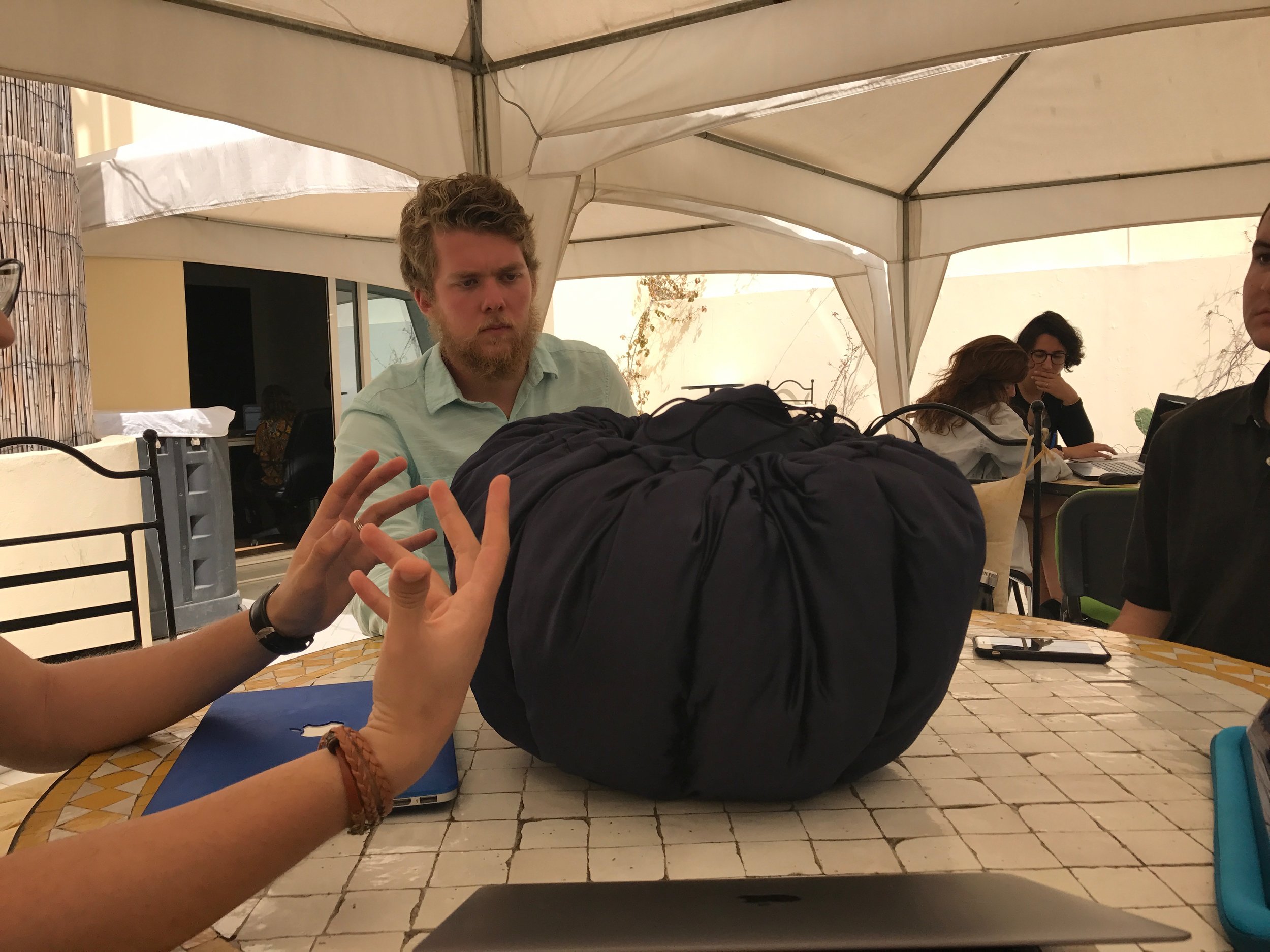
Social entrepreneur project: EcoHeat
EcoHeat is an eco-friendly, cost saving slow cooker; it was designed to reduce firewood burned during cooking, especially in rural villages where wood-burning fire is the primary heat source in cooking. Essentially the product allows the customer to place a pot over a flame for only 20 minutes and then place that pot inside the EcoHeat cooker. The EcoHeat cooker continues to cook the contents of the pan for 5-6 hours without any additional work required.
Social entrepreneur project; Speak Up
SPEAK UP is an non profit that will hold activities promoting public speaking skills for children aged from 6 to 12 years old. The public speaking workshops are scheduled after school. Students learn how to deliver speeches and being more comfortable with speaking and presenting to an audience. The space is comfortable, fun, equipped with a stage to provide the children with an interactive experience. Children choose the subjects they want to tackle. The community of little speakers broadcast their creativity throughout the year’s program

Social entrepreneur project: Jodhour
Jodhour is the first online store in Morocco that offers resources for the introduction of Arab-Muslim heritage to young children through play. You will find children's books, fun and constructive, toys, board games. Their mission is to provide parents and educators with high quality resources inspired by the Arab-Muslim culture & values. The founders, who are also parents of young children have been faced with the lack of educational resources to introduce the Arab-Muslin cultural and religious heritage to young children.

Social entrepreneur project: Impact tourism
Ayur is an ‘impact tourism service’ where students and social entrepreneurs who are traveling canbenefit from housing and food services in exchange for volunteering for one to two hours of teaching and/or mentoring people who live in the local area. Check out their Facebook site to learn more and plan your next "impact" travel.

Social Entrepreneur Experience
By Claudia G. Green, PhD, Semester at Sea, Spring 2017
My Semester at Sea students in the Social Entrepreneurship course had a hands on experience in Casablanca. Through the New Work Lab incubator we were able to meet five social entrepreneurs, hear about their projects and discussion the challenges and opportunities they faced. Here are some examples of the Moroccan social entrepreneurs projects:

