
United States (Hawaii)
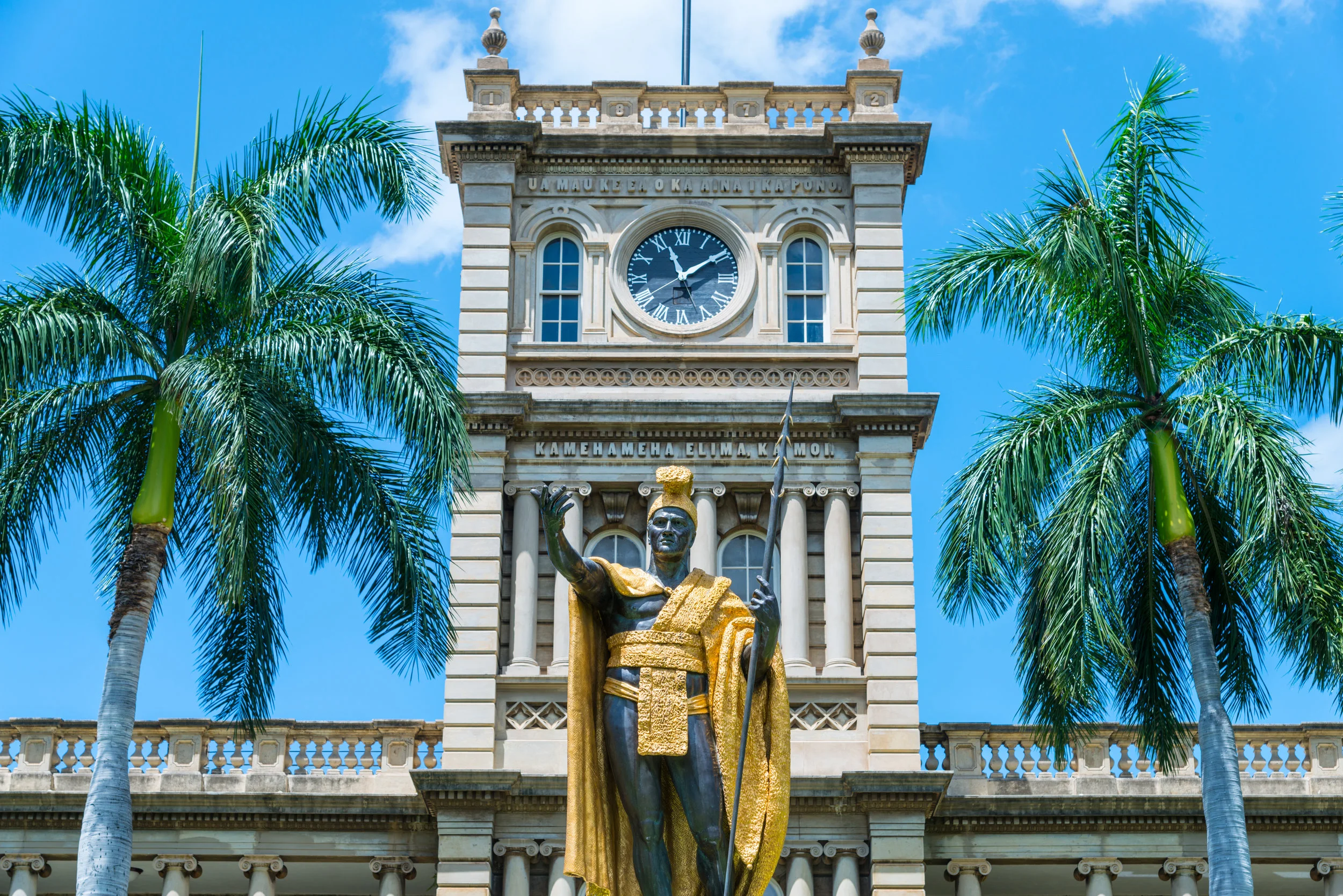
Honolulu, the vibrant epicenter of Hawaii, is the hot spot for arts, culture, and entertainment. Home to the State Capitol, Honolulu has an extensive list of go-to iconic places including Hilo’s National Volcano Park, Aloha Tower, Iolani Palace, along with beautiful beaches and waterfalls. Whether you’re looking for nightlife, art galleries, or finest museums you will find it here in Honolulu
Hawaii is an especially important case because tourism is enormously successful economically while also raising difficult questions about Native Hawaiian culture, land, environmental resources, housing, ownership, and who benefits from tourism. For the social-entrepreneurship framework we've been developing, Hawaii adds a powerful theme: Indigenous stewardship and regenerative tourism.
Hawaii became the 50th U.S. state in 1959. Today approximately 1.4 million people live in Hawaii. It is extraordinarily multicultural, reflecting Native Hawaiian, other Pacific Islander, Japanese, Filipino, Chinese, Korean, Portuguese and mainland U.S. influences.
Hawaii faces substantial contemporary challenges, including high housing and living costs, environmental pressures, land-use conflicts and concerns about preservation of Native Hawaiian culture and language. Tourism is deeply intertwined with many of these issues.


Food
Native Hawaiian entrepreneurs can create tourism experiences involving food, agriculture, navigation, storytelling, language, music, hula and cultural education.
But there is an essential distinction between a commercialized version of Hawaiian culture produced for tourists and an experience owned, controlled and interpreted by Native Hawaiians themselves.

Tourism
Tourism is one of Hawaii's most important industries and has shaped the islands' international identity.
Oʻahu receives enormous numbers of visitors, particularly around Waikīkī and Honolulu. Attractions combine beaches, surfing, shopping, food and historic sites such as Pearl Harbor National Memorial. Maui is associated with beaches, resorts, whale watching, the Road to Hana and Haleakalā.
The Island of Hawaiʻi, often called the Big Island, offers volcanic landscapes, coffee farms, beaches and Hawaiʻi Volcanoes National Park. Kauaʻi is particularly renowned for natural landscapes, including the dramatic Nā Pali Coast and Waimea Canyon. Hawaii therefore offers major opportunities for:
Beach • Nature • Adventure • Cultural • Culinary • Agricultural • Heritage • Wellness tourism
But Hawaii is also an important case of overtourism.
Social Entrepreneurship
Hawaiian food culture beautifully illustrates the islands' history of Polynesian traditions combined with Asian, Portuguese and American immigration. Traditional Native Hawaiian foods include taro (kalo), poi, sweet potatoes, fish, seaweed and pork. Taro has significance far beyond food; it is deeply connected to Native Hawaiian identity, genealogy and relationships with the land.
Kalua pig, traditionally cooked in an underground imu oven, is strongly associated with celebrations and communal meals.
Poke, traditionally consisting of seasoned pieces of raw fish, originated as a relatively simple local food before evolving into the internationally popular dish found today.
Immigration associated with plantation agriculture profoundly changed Hawaii's cuisine. Japanese, Chinese, Filipino, Korean and Portuguese workers brought their culinary traditions, eventually contributing to distinctly local foods.