Cambodia
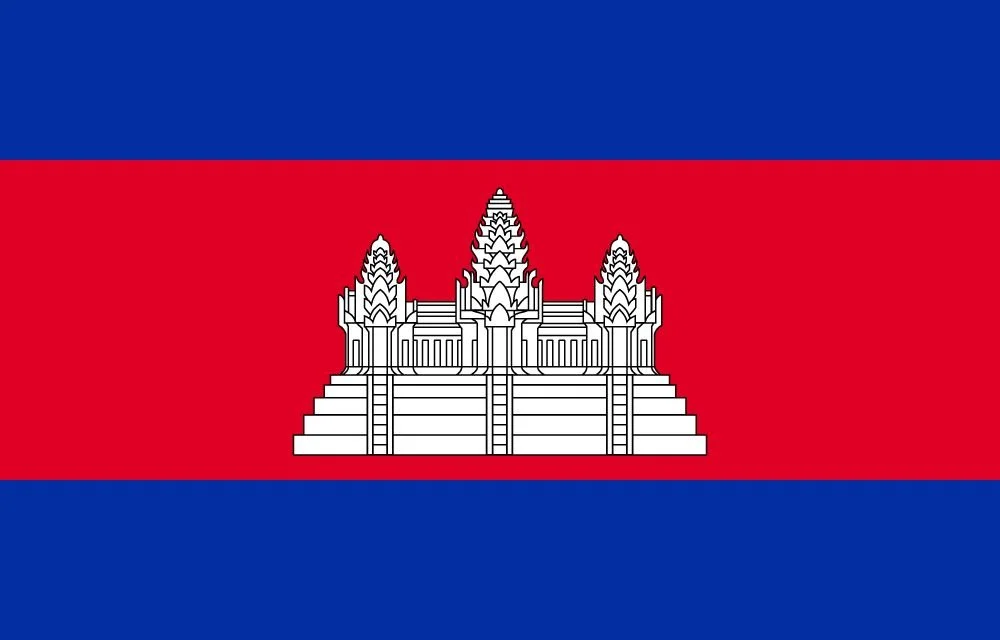
Since the late 1990s, the annual economic growth of Cambodia has been 8.5. percent with a significant portion of that economic growth has been attributed to tourism. Other growth areas include agriculture and manufacturing. Even though there has been significant economic growth, Cambodia still remains one of the poorest countries of South East Asia. With the physical attributes of mountains in the north, the world’s 10th largest river in the south and the largest lake in South East Asia, Cambodia has the natural resources that contribute to tourism development. It is difficult to understand Cambodia without knowing a bit of the history. Of particular impact during the period 1975 to 1979, more than a million Cambodian were killed and buried by the Khmer Rouge regime. Many who perished were of the educated and artistic classes.
Food
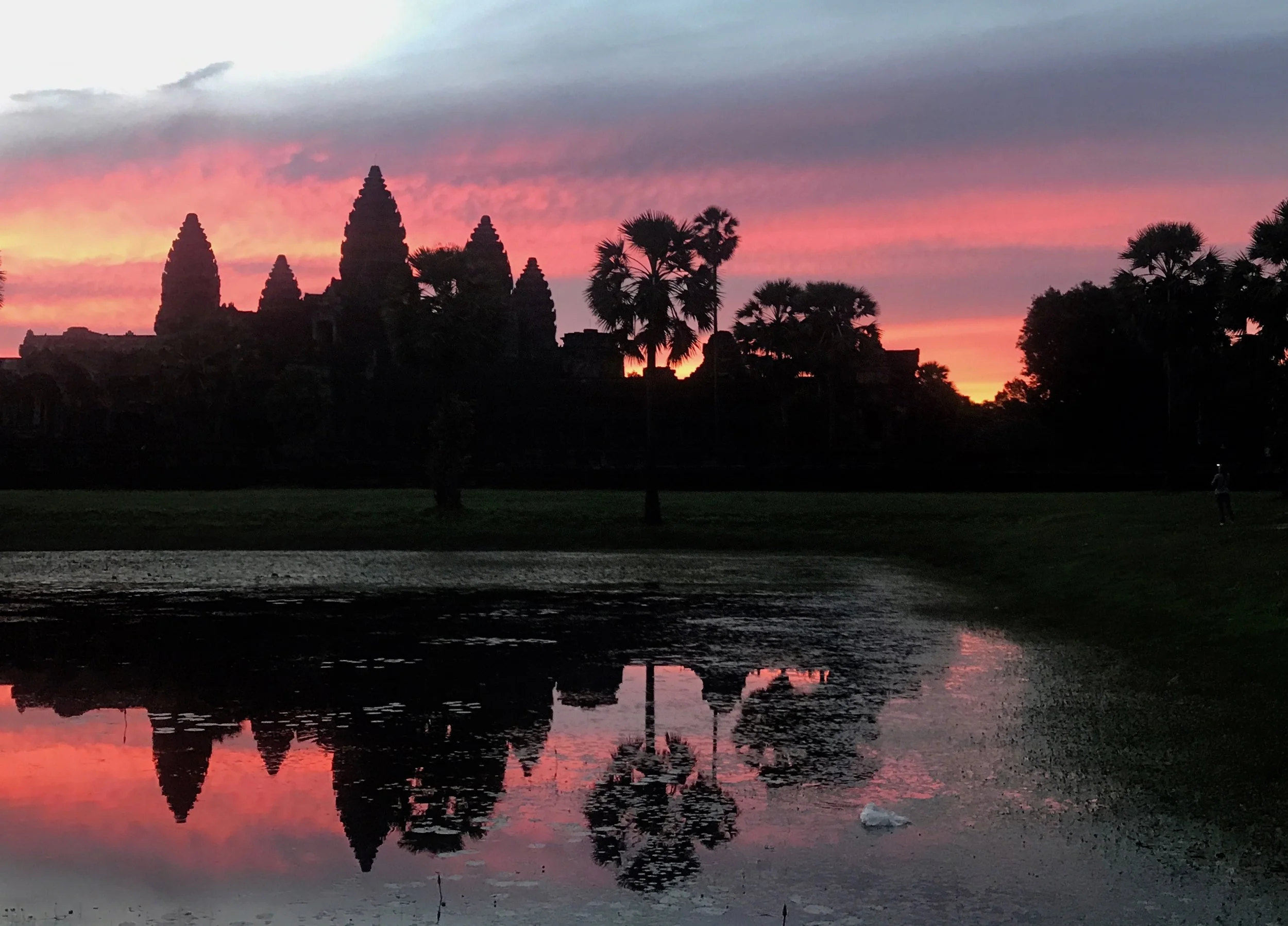
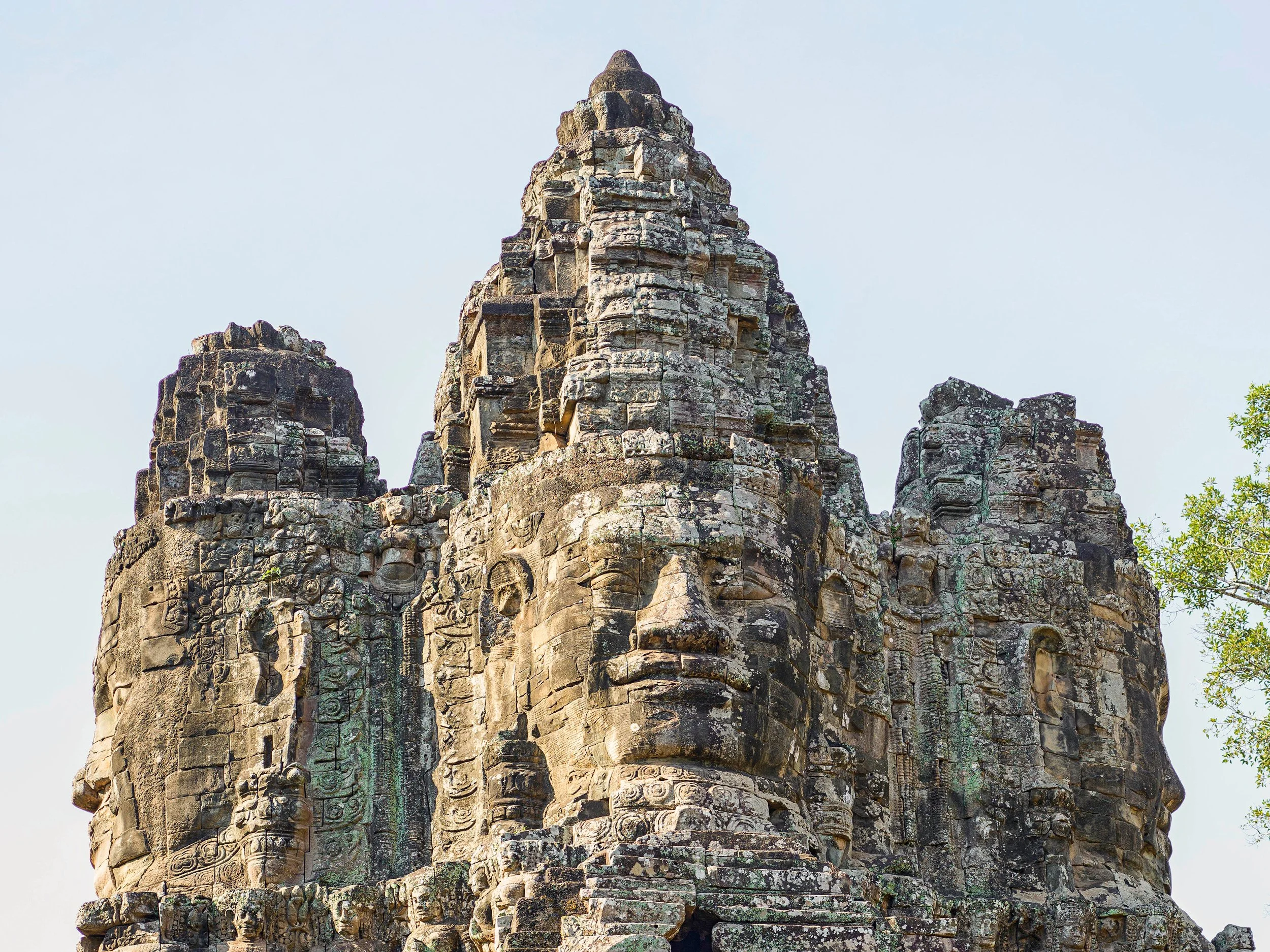
Siem Reap & Angkor Wat: Siem Reap serves as the gateway to Angkor Wat, the world's largest religious monument and a UNESCO World Heritage site. Visitors flock here to explore majestic 12th-century stone temples, including the overgrown Ta Prohm and face-carved Bayon.
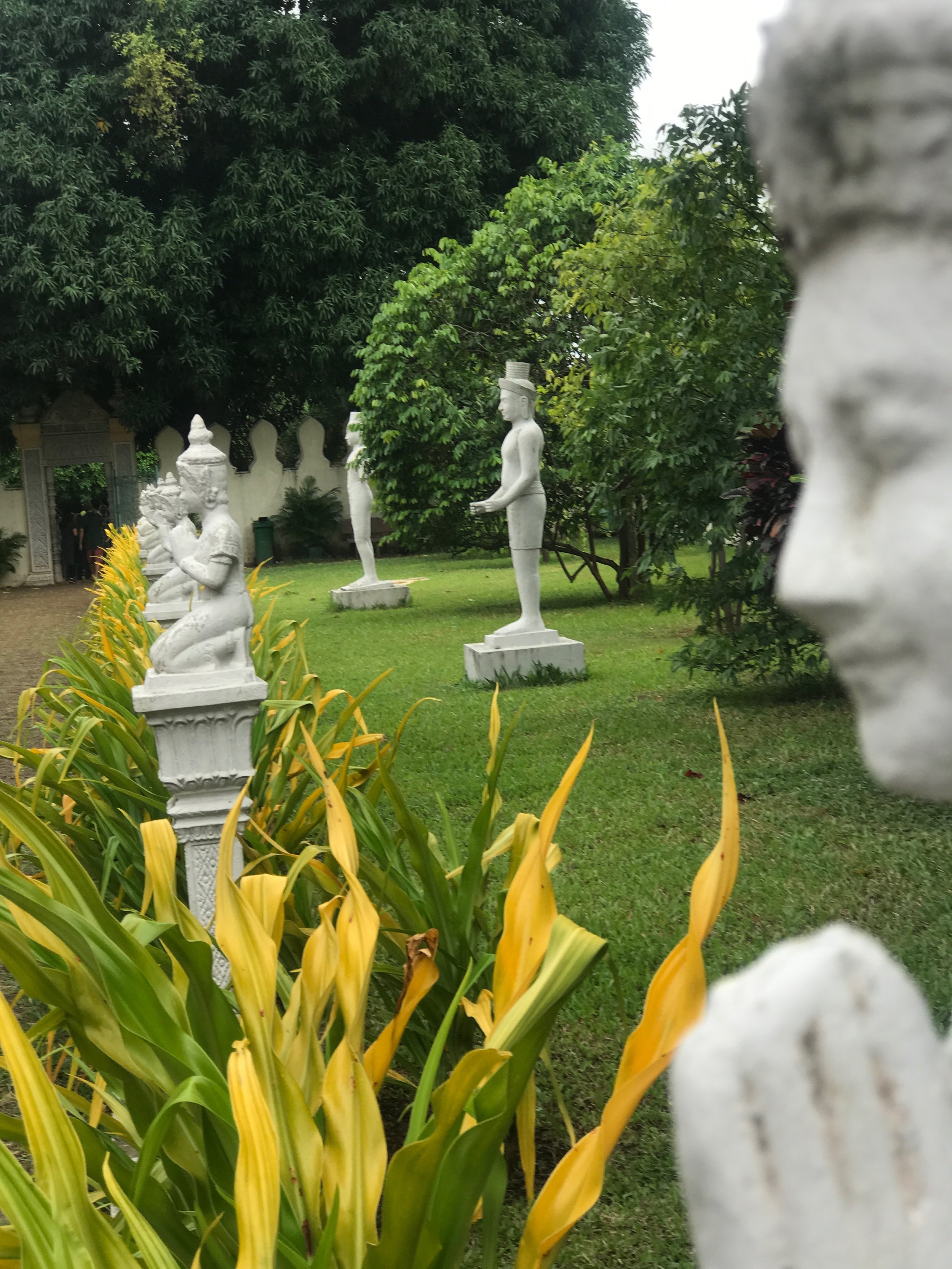
Phnom Penh: The bustling capital city features the golden-spired Royal Palace and Silver Pagoda alongside colonial-era architecture. It also houses moving historical sites like the Tuol Sleng Genocide Museum and the Choeung Ek Killing Fields.
Southern Coast & Islands: For relaxation, the coastal towns of Kampot and Kep offer famous pepper plantations and fresh crab markets. Off the coast of Sihanoukville lie tropical islands like Koh Rong, featuring pristine white-sand beaches.
Ecotourism: Nature enthusiasts visit the Tonlé Sap freshwater lake to see stilted floating villages, or journey east to Kratie to catch rare sightings of endangered Irrawaddy dolphins along the Mekong River.
Driven by warm Khmer hospitality and affordable travel, Cambodia provides an unforgettable experience spanning ancient empires and tropical coastlines.
Tourism
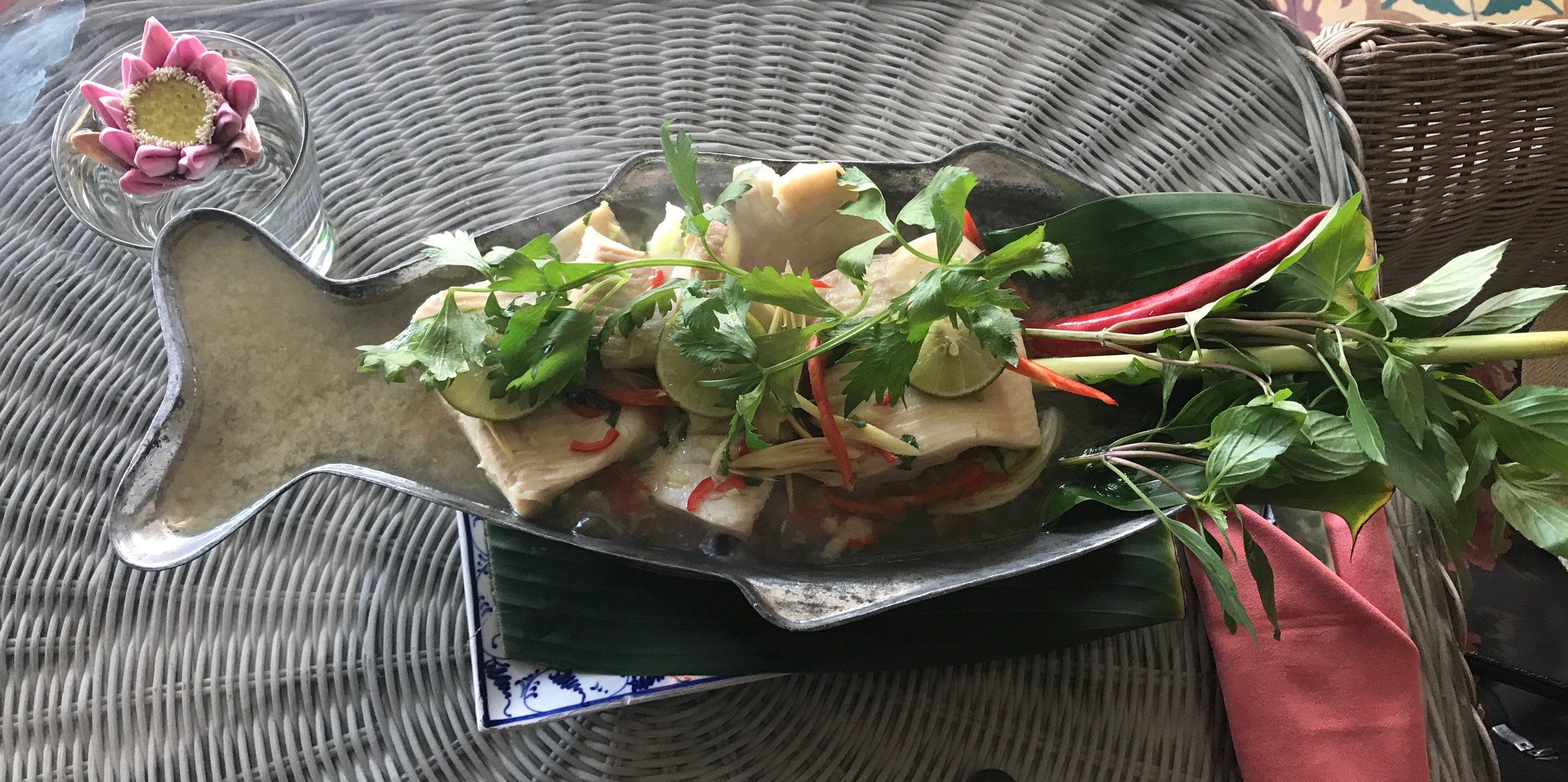
Cambodian (Khmer) cuisine is defined by vibrant herbs, subtle citrus freshness, and a harmonious balance of sweet, salty, sour, and spicy notes. Unlike the bolder heat of neighboring Thai food, Khmer dishes rely on fragrant aromatics. The backbone of Khmer cooking is kroeung—a pounded herb paste made from lemongrass, galangal, turmeric, garlic, and kaffir lime leaves—alongside prahok, a pungent fermented fish paste that adds rich depth.
Social Entrepreneurship
In response to historical socioeconomic challenges and high rural poverty rates, Cambodia has become a thriving hub for social entrepreneurship. Driven by local initiatives and non-governmental organizations, these businesses blend commercial strategies with social and environmental missions—empowering vulnerable populations through job training, fair trade, sustainable agriculture, and community-based tourism. .