
South Africa
South Africa has a long human history, with archaeological evidence connecting the region to some of humanity's earliest ancestors. Indigenous peoples included Khoisan communities, followed over centuries by Bantu-speaking peoples who established societies throughout southern Africa.Modern South Africa is a democratic, multicultural nation of more than 60 million people and one of Africa's largest and most diversified economies.
It is often called the "Rainbow Nation" because of its extraordinary ethnic, linguistic and cultural diversity. The country recognizes 12 official languages, including Zulu, Xhosa, Afrikaans and English.
However, the legacy of apartheid remains visible. South Africa continues to experience extremely high income inequality and unemployment, alongside differences in access to education, housing and economic opportunity.

Food
South African cuisine reflects an extraordinary combination of Indigenous African, Dutch, Malay, Indian, British and other cultural influences.
One of the most important food traditions is the braai, South Africa's version of a barbecue—but culturally it is much more than grilled food. Families and friends gather around the fire to cook meat and socialize, making the braai an important expression of community.

Tourism
South Africa possesses one of Africa's most diversified tourism products.
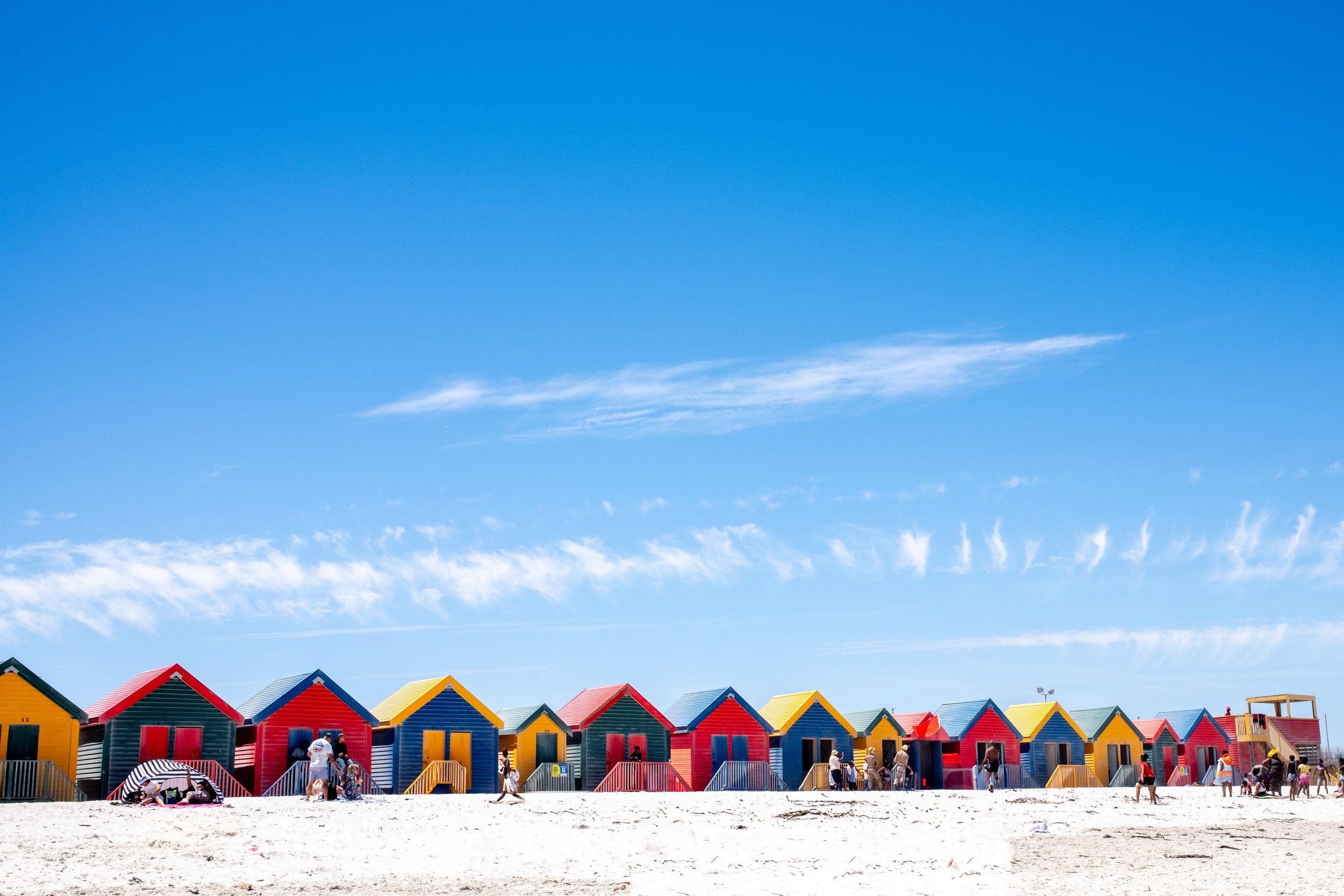
Cape Town is the country's signature urban destination, combining spectacular scenery, beaches, restaurants, cultural neighborhoods and Table Mountain.
Wildlife tourism is another major attraction. Kruger National Park is internationally famous for safari tourism and the opportunity to see elephants, lions, rhinos, leopards and buffalo.

Social Entrepreneurship

South Africa also demonstrates that cultural heritage itself can become social entrepreneurship.Tours focusing on apartheid, music, food, townships and local history can generate income while allowing communities to preserve and control their stories.
Farm-to-table tourism, township food tours, community restaurants, wine tourism and agricultural experiences can connect visitors directly with producers.
Social enterprises can deliberately bring small farmers and historically disadvantaged producers into tourism supply chains.