Brazil
What began as a passion project has evolved into something more. We’re proud of where we’ve been and even more excited for what’s ahead.
Food
Brazilian cuisine is a vibrant tapestry woven from Indigenous, African, and Portuguese influences, with additional contributions from Italian, German, Japanese, and Middle Eastern immigrants. Food in Brazil is deeply tied to social connection, hospitality, and communal gathering.
· Feijoada: Considered the national dish, this rich, slow-cooked stew of black beans and pork cuts (sausage, ribs, bacon) is traditionally served with white rice, sauteed collard greens (couve), toasted cassava flour (farofa), and fresh orange slices.
· Churrasco: Originating from the southern cowboys (Gaúchos), this BBQ tradition involves skewering large cuts of beef, pork, and chicken grilled over open embers. Picanha (top sirloin cap) is the prized cut.
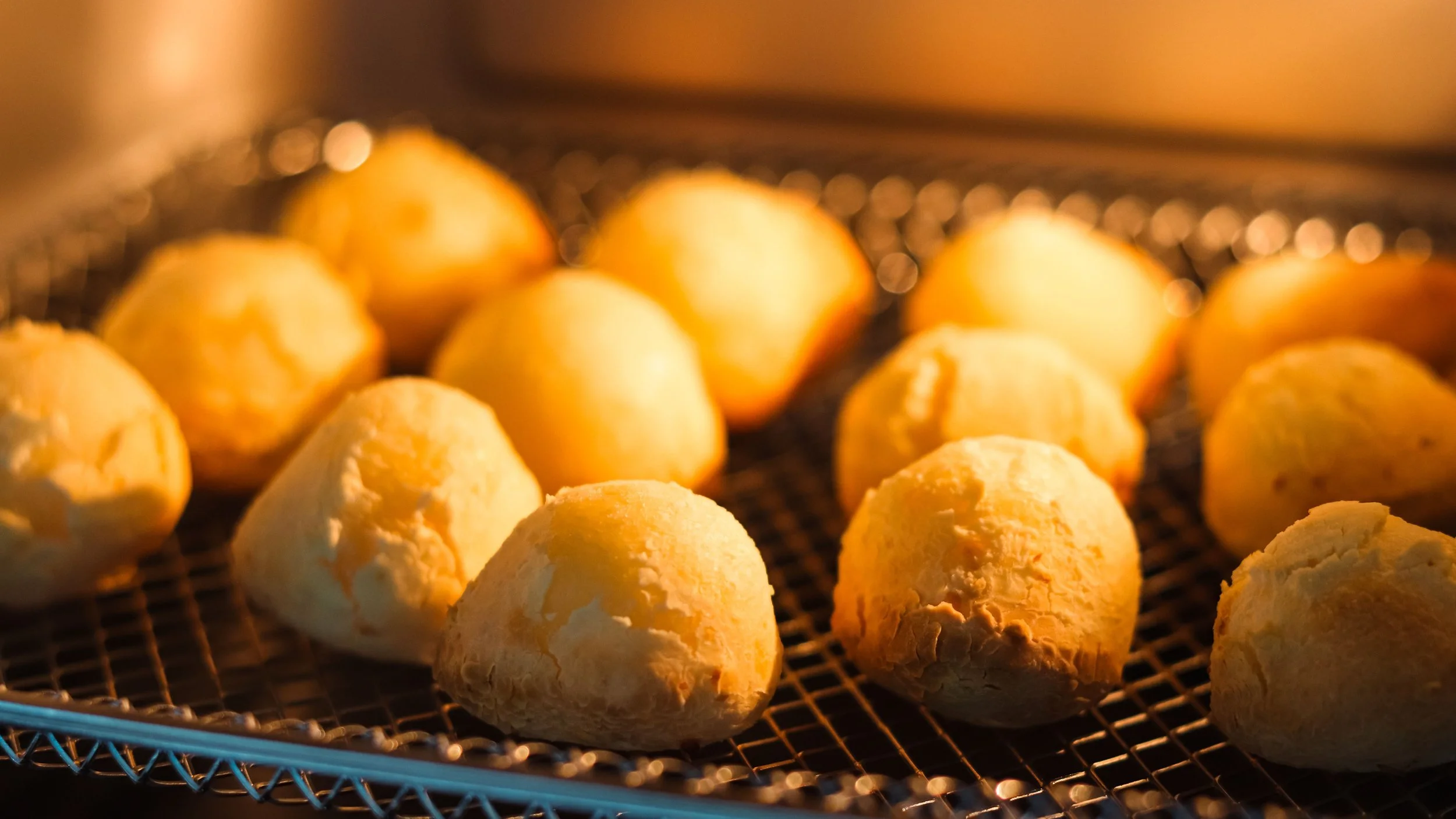
· Pão de Queijo: Chewy, naturally gluten-free cheese rolls made from cassava starch (polvilho) and local cheese, popular for breakfast or afternoon snacks.
· Moqueca: A fragrant seafood stew cooked in a clay pot, featuring fish or shrimp, tomatoes, onions, garlic, and cilantro. The Bahian version adds coconut milk and red palm oil (dendê).

Tourism
Ecotourism & Wildlife ObservationWe
Brazil hosts two of South America's greatest natural ecosystems:
The Amazon Rainforest: River cruises, canopy walkways, and jungle lodges focused on biodiversity.
The Pantanal: The world’s largest tropical wetland, widely regarded as the best location in the Americas for spotting wild jaguars, capybaras, giant otters, and macaws.
Iguaçu Falls & Lençóis Maranhenses: Massive waterfalls bordering Argentina, and seasonal freshwater lagoons framed by vast white sand dunes.
Beach & Coastal Tourism
With over 7,400 km of Atlantic coastline, beach culture is central to Brazilian life. Destinations range from the luxury marine reserve of Fernando de Noronha to the surf breaks of Florianópolis and the tropical palm-lined shores of Bahia.
Cultural & Historical Tourism
Centuries of Indigenous, African, and European traditions shape Brazil’s urban centers and historical interior:
Colonial Heritage: Towns along the 18th-century Estrada Real (Gold Trail) such as Ouro Preto, Tiradentes, and Paraty.
Afro-Brazilian Heritage: Salvador da Bahia, famous for its Afro-descendant drumming groups, Capoeira, and distinctive cuisine.
Festivals & Urban Life: Rio de Janeiro and São Paulo offer world-class museums, culinary scenes, and major events like Carnival and New Year’s Eve (Réveillon).
Social Entrepreneurship
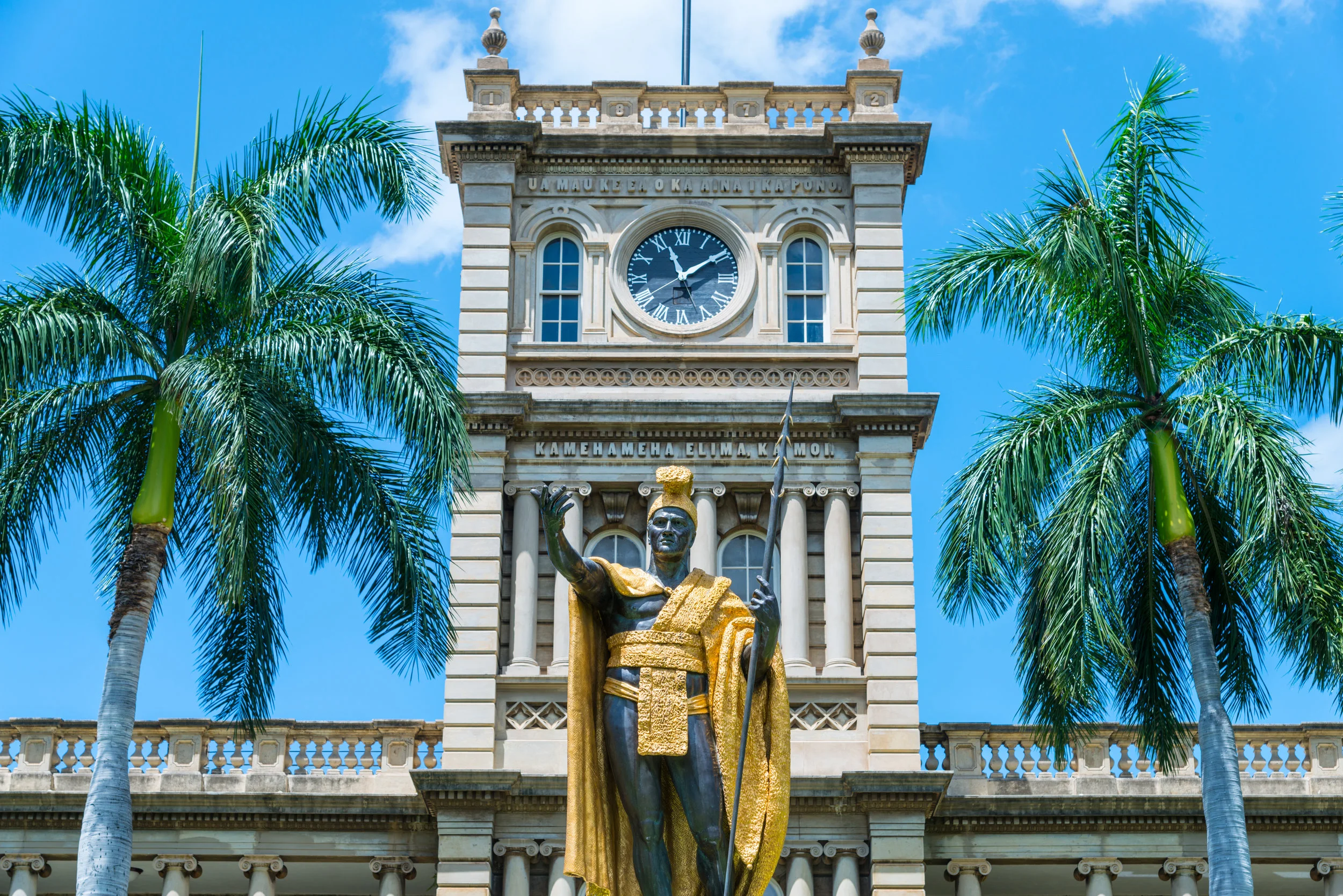
We are looking forward to meeting with social entrepreneurs in Hawaii to learn about their initiatives for addressing social, cultural and environmental issues ranging from access to potable water, food, and education for example. Using the new Sustainable Development Goals 2015 as a framework for analysis of various initiatives, we will see first hand some of the creative ways entrepreneurs have used their business acumen to “do good”.